Chandni Chowk Food Guide: 15 Best Foods to Eat in Old Delhi (2026)
Written by Rahul, founder and lead guide of Old Delhi Food Tours, based on 10+ years of daily walks through Chandni Chowk's food lanes.
Ask any Delhiite where to find the best Chandni Chowk food and you'll get a dozen different answers pointed at a dozen different lanes — and every one of them will be right. This half-kilometre stretch of Old Delhi, built by Mughal emperor Shah Jahan in the 1650s, is not a food street. It's a food district: nine or ten narrow lanes fanning out from a single main road, each one specializing in something a family has been perfecting since before India was a republic. We've spent more than ten years walking these lanes every single day, running the Old Delhi Street Food Walking Tour that starts at Chawri Bazar Metro Station, and this guide is everything we've learned about Chandni Chowk food in that decade — the shops worth queueing for, the ones tourists walk past by mistake, and the ones we quietly stopped recommending.
This isn't a listicle assembled from other websites. Every shop, price range, and timing note below comes from actually eating there, repeatedly, with thousands of guests over the years. Where prices or hours have a tendency to shift — as they do at any real, living market — we've said so rather than pretending to a precision no website can honestly promise.
History of Food Culture in Chandni Chowk
Chandni Chowk means 'moonlit square' — the name comes from a canal that once ran down the centre of the main road, built so that moonlight would reflect off the water at night. Shah Jahan commissioned the market in 1650 as part of the new Mughal capital, Shahjahanabad, and put his daughter Jahanara Begum in charge of its design. From the very beginning it was a marketplace for the empire's elite, and the food culture grew up to match: rich Mughlai gravies, slow-cooked meats, and desserts made with reduced milk, saffron, and rosewater — food built for a court, not a street corner.
What makes Old Delhi food distinct today is the layering of history on top of that original Mughal foundation. The British colonial period brought new trade routes and ingredients through the same lanes. Then 1947 changed everything: Partition brought a huge wave of Punjabi and Sindhi refugee families into Delhi, and many of them opened food stalls in and around Chandni Chowk to rebuild their livelihoods. That's why you'll find Mughlai kebabs and korma a few doors down from Punjabi chole bhature and paranthas — two entirely different culinary traditions that ended up sharing the same six lanes, and stayed there.
Many of the most famous shops in Chandni Chowk today are run by the fourth, fifth, or sixth generation of the family that opened them — Paranthe Wali Gali's oldest shops date to the 1870s, Old Famous Jalebi Wala has been frying the same coiled sweet since 1884, and Karim's near Jama Masjid has served Mughlai food since 1913. That continuity is the real story of Chandni Chowk food culture: it isn't a tourist attraction dressed up to look historic, it's a living, working market that happens to be genuinely old.
Why Chandni Chowk Is India's Greatest Street Food Destination
Delhi street food exists all over the city, but nowhere else concentrates this much history, variety, and quality into half a square kilometre. A few things make Chandni Chowk specifically the best place to eat in Old Delhi, and arguably in India:
- Generational specialization — most stalls make one or two things, perfected over decades, rather than a long menu made adequately.
- Genuine diversity — Mughlai, Punjabi, Jain, and Marwari food traditions all sit within a five-minute walk of each other.
- Extreme affordability — most dishes cost between ₹30 and ₹250, so you can sample eight or nine dishes for the price of one restaurant meal.
- Freshness by necessity — high footfall means most stalls cook in small batches all day, so food rarely sits for long before it's served.
- Total immersion — you're not eating food that's been adapted for tourists; you're eating exactly what the family two lanes over is also eating for lunch.
If you only have one meal in Delhi, spend it in Chandni Chowk. It's the single most efficient way to understand Old Delhi's food culture in a few hours.
Top 15 Foods You Must Try in Chandni Chowk
This is the core of any Chandni Chowk food guide, and it's the one section where we refuse to just repeat what every other website lists. Everything below is ranked by what we've actually watched guests react to most strongly over ten years of tours — not by what's most photogenic.
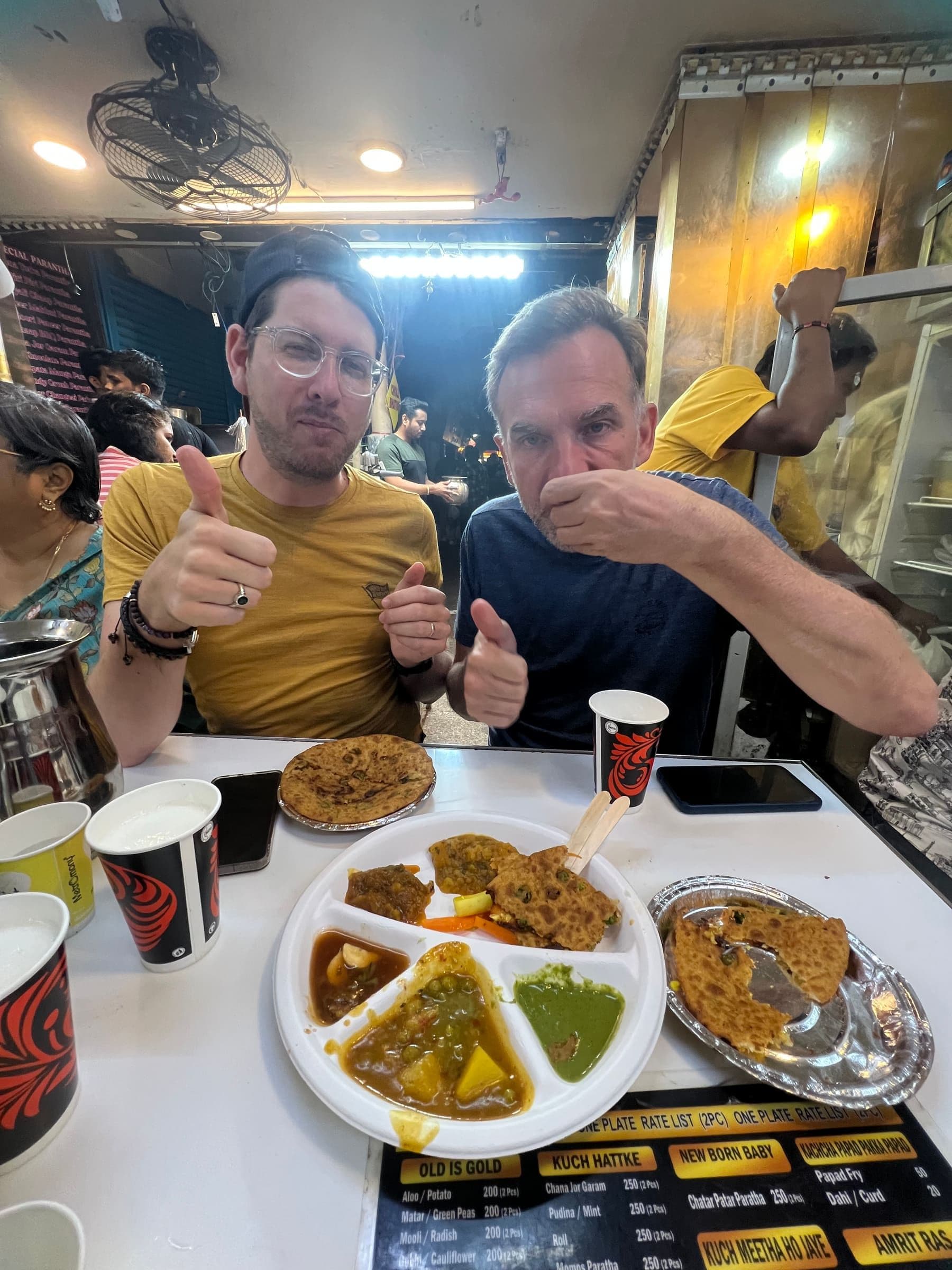
1Stuffed Paranthas — Paranthe Wali Gali
A deep-fried, stuffed flatbread served with a rotating cast of chutneys, pickles, and a small bowl of curry. Paranthe Wali Gali (literally 'the lane of paranthas') is a single alley just off the main Chandni Chowk road, lined almost entirely with parantha shops, some run by the same families since the 1870s.
- Taste Profile
- Crisp and slightly oily on the outside, soft and savoury inside. Fillings range from classic aloo (potato) and gobi (cauliflower) to unusual ones like rabri (sweetened reduced milk) or even banana.
- History
- The lane dates back roughly 150 years, when parantha shops first clustered here to serve traders and pilgrims visiting nearby temples.
Insider tip: Order one classic aloo parantha first before trying an unusual filling — it calibrates your palate to how this specific shop cooks.
Why tourists love it: It's the most photographed lane in Chandni Chowk for a reason: the sheer density of parantha shops in one 100-metre stretch is genuinely unique in India.
 2
2Jalebi — Old Famous Jalebi Wala
Coiled, deep-fried batter soaked in cardamom-scented sugar syrup, served hot. Old Famous Jalebi Wala sits at the Dariba Corner/Fatehpuri end of Chandni Chowk and has operated continuously since 1884.
- Taste Profile
- Crisp shell, syrupy and juicy centre, with a warm cardamom sweetness that's stronger than most jalebi found elsewhere in India.
- History
- The syrup recipe has reportedly never been written down — it's passed down by watching and tasting, generation to generation.
Insider tip: Eat it immediately. Jalebi that's cooled for even ten minutes loses the textural contrast that makes it special.
Why tourists love it: It's one of the few Chandni Chowk dishes almost every visitor already knows by name, which makes tasting the 140-year-old original version genuinely memorable.
 3
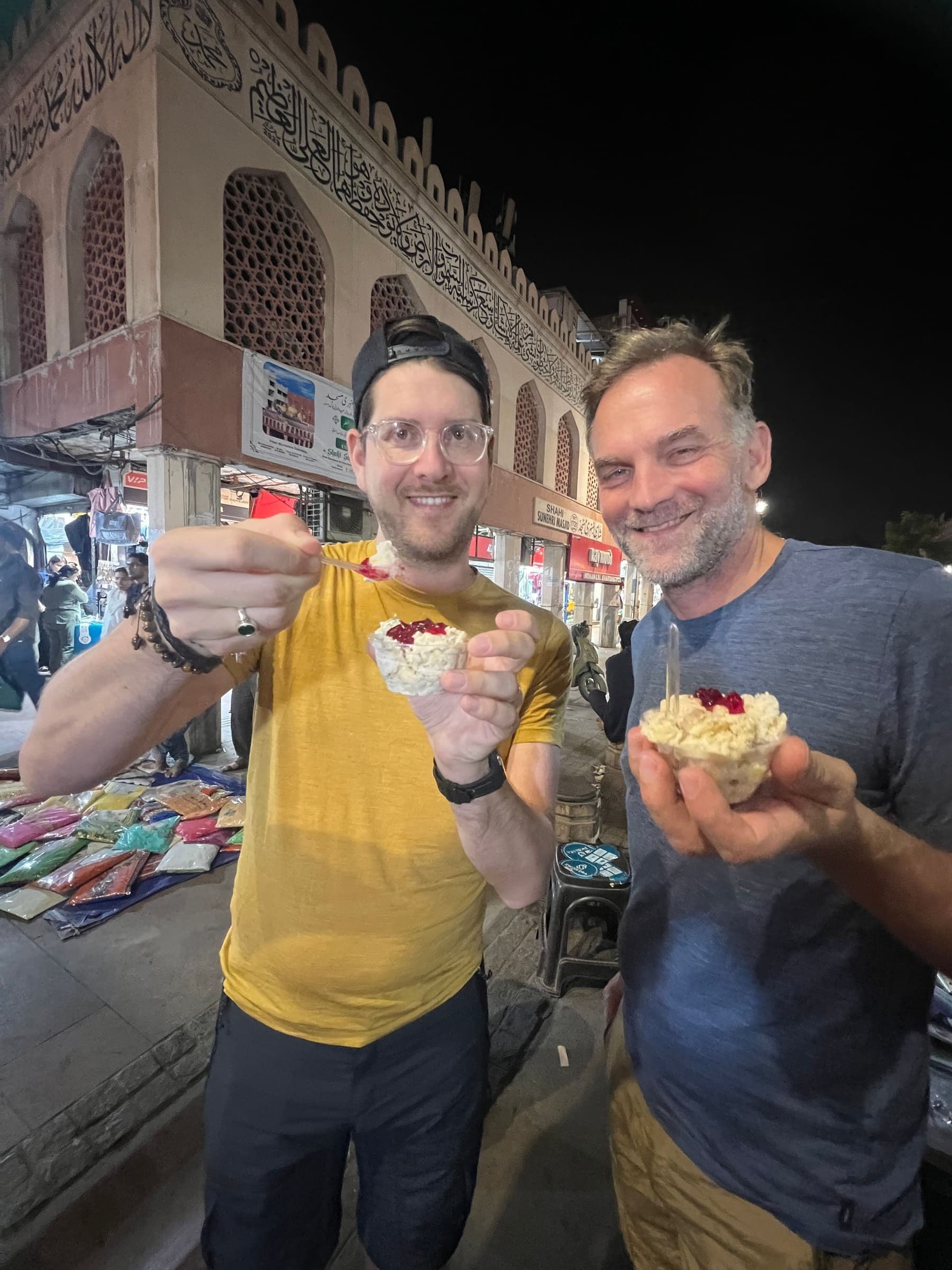
3Daulat Ki Chaat — Seasonal Winter Stalls
An ethereal, frothy milk-based dessert with the texture of flavoured air — whisked overnight in the cold night dew, traditionally, and topped with saffron, pistachio, and silver leaf (varak).
- Taste Profile
- Extremely light and airy, mildly sweet, almost dissolves on the tongue. Unlike anything else on this list texturally.
- History
- A winter-only Old Delhi speciality with roots in the Mughal court, traditionally made by whisking sweetened milk outdoors overnight so it aerates in the cold.
Insider tip: This is genuinely seasonal — if you're visiting between March and October, you will not find it no matter how hard you look. Plan a winter trip if this is on your list.
Why tourists love it: It's the dish most locals mention when asked what tourists miss — because most guidebooks don't explain that it disappears for eight months of the year.
 4
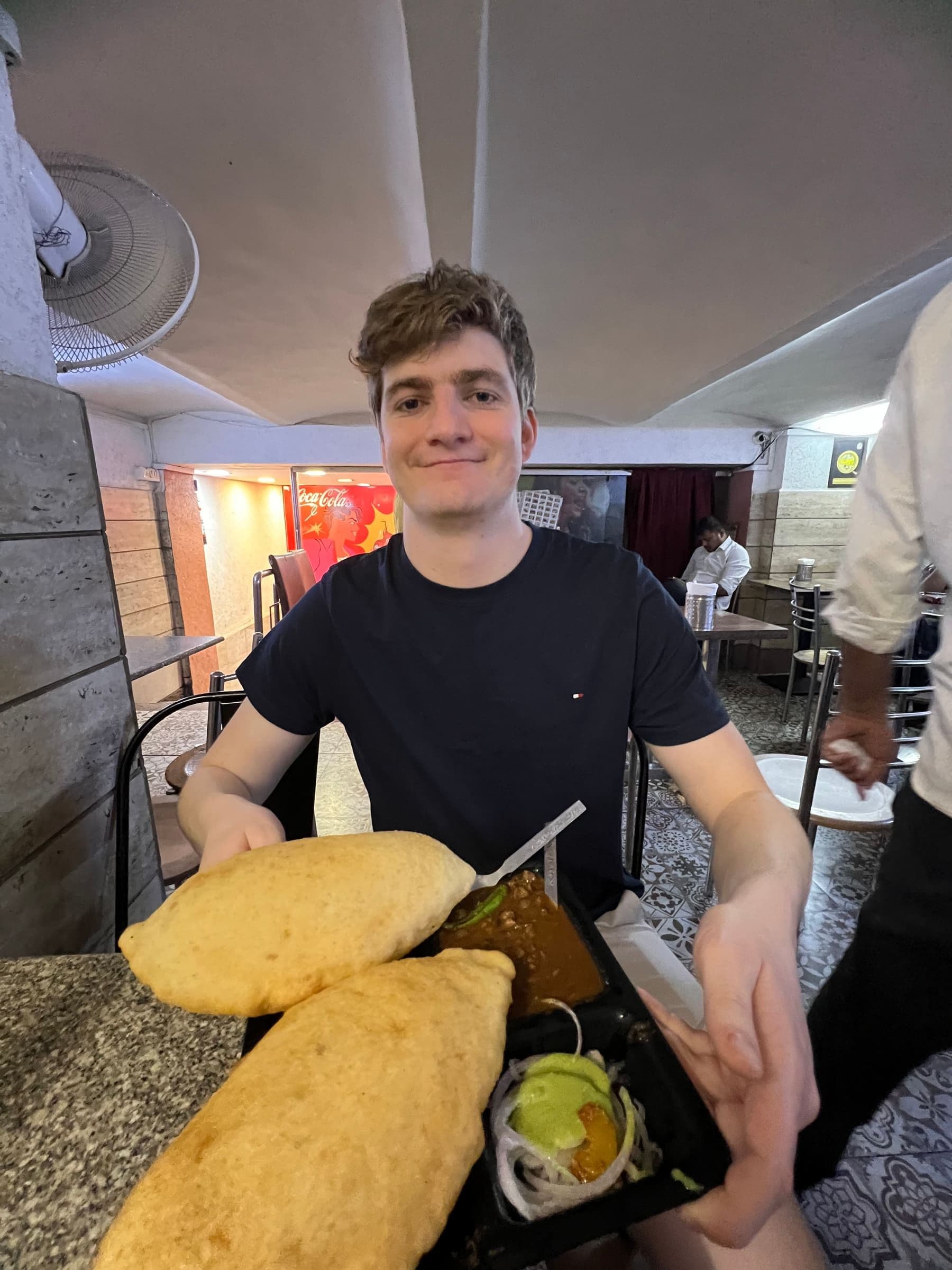
4Chole Bhature
A fluffy, deep-fried leavened bread (bhature) served with a spiced chickpea curry (chole), usually with pickled onions and green chilies on the side. A Punjabi dish that became a Delhi institution after Partition.
- Taste Profile
- Tangy, mildly spiced curry against pillowy, slightly sour fried bread. Hearty and filling — this is usually a full meal, not a snack.
- History
- Brought to Delhi by Punjabi refugee families after 1947, chole bhature is now arguably more associated with Delhi than with Punjab itself.
Insider tip: Ask for less oil ("kam tel") if you're planning to eat several more things afterward — a full plate is genuinely filling.
Why tourists love it: It's the dish most Delhi locals themselves order for a weekend breakfast, so eating it here is as much cultural immersion as it is a meal.
 5
5Mughlai Kebabs — Karim's, Near Jama Masjid
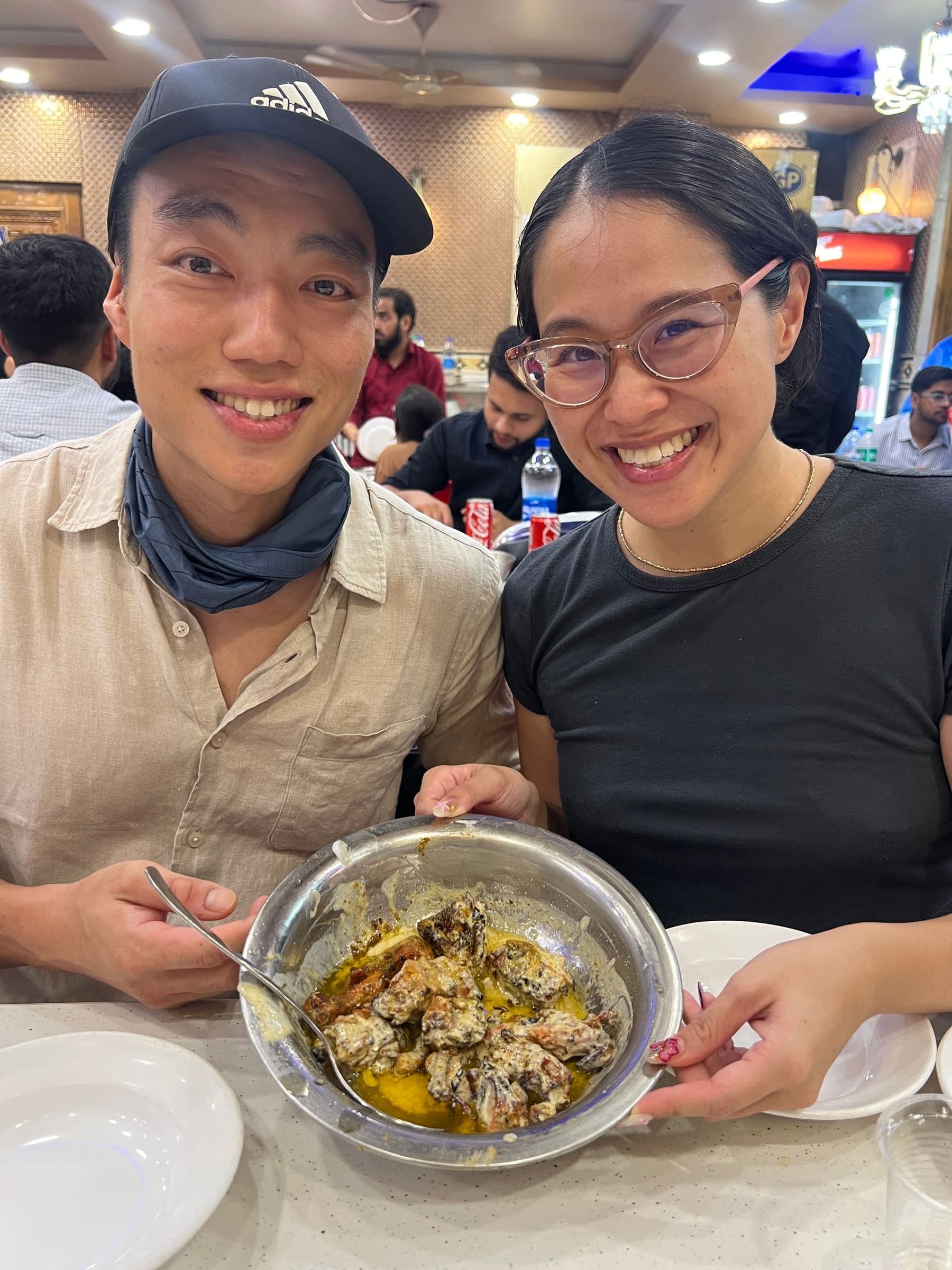
Smoky, char-grilled seekh and shami kebabs, along with slow-cooked mutton korma, from a kitchen with direct lineage to the Mughal royal kitchens. Karim's opened in 1913 near Jama Masjid, a short walk from Chandni Chowk.
- Taste Profile
- Deeply savoury, smoky from the charcoal grill, layered with whole spices rather than heat — this is Mughlai cooking at its most classic.
- History
- Founded by a descendant of a cook in the imperial Mughal kitchens, Karim's is one of the most documented restaurants in Old Delhi's culinary history.
Insider tip: Go with a small group and order two or three dishes to share rather than one dish each — Mughlai portions are generous.
Why tourists love it: It's the closest most visitors will get to tasting food genuinely connected to the Mughal royal kitchens, still made the same way over a century later.
 6
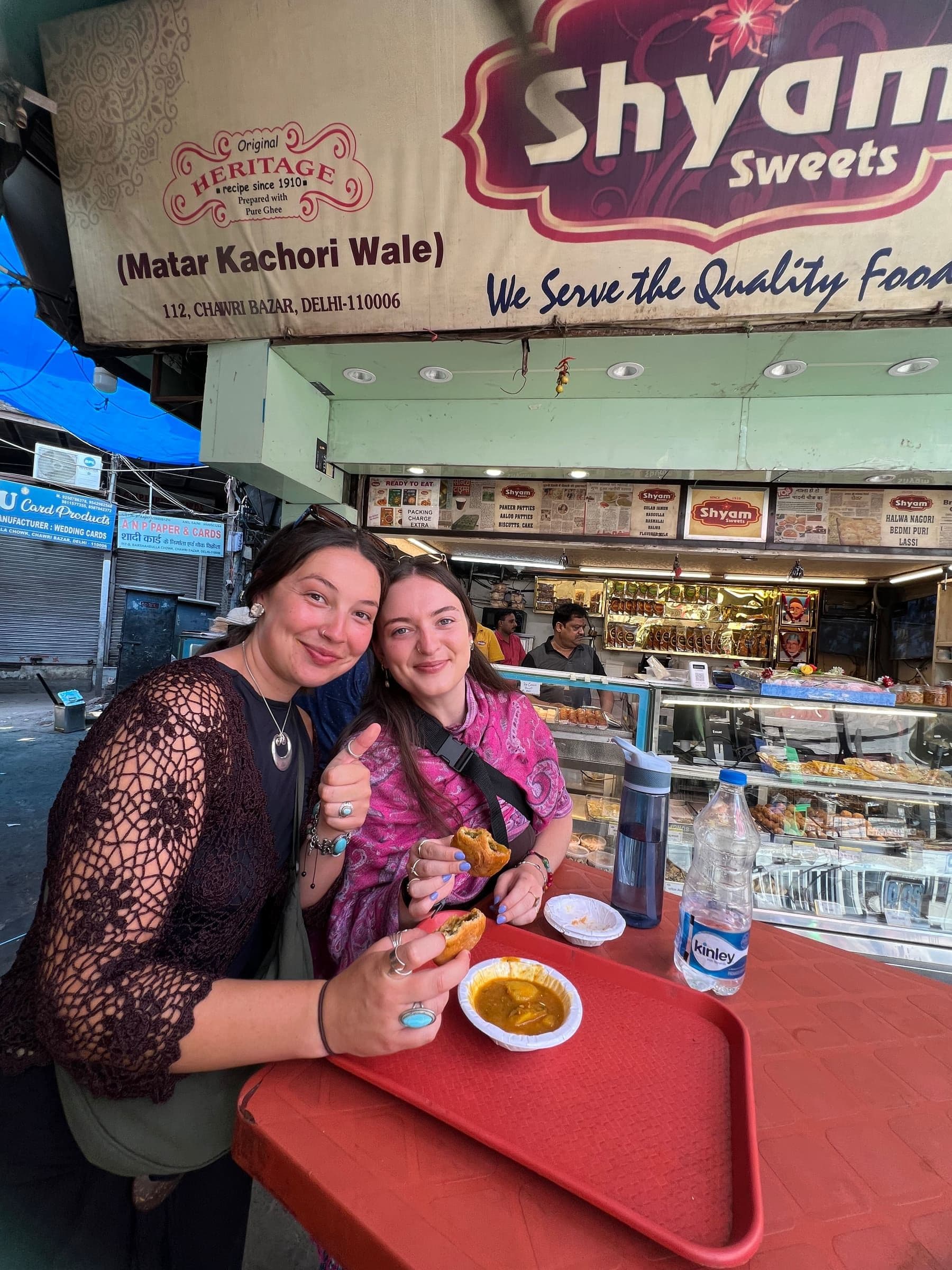
6Fruit-Stuffed Kulfi — Kuremal Mohan Lal Kulfi Wale
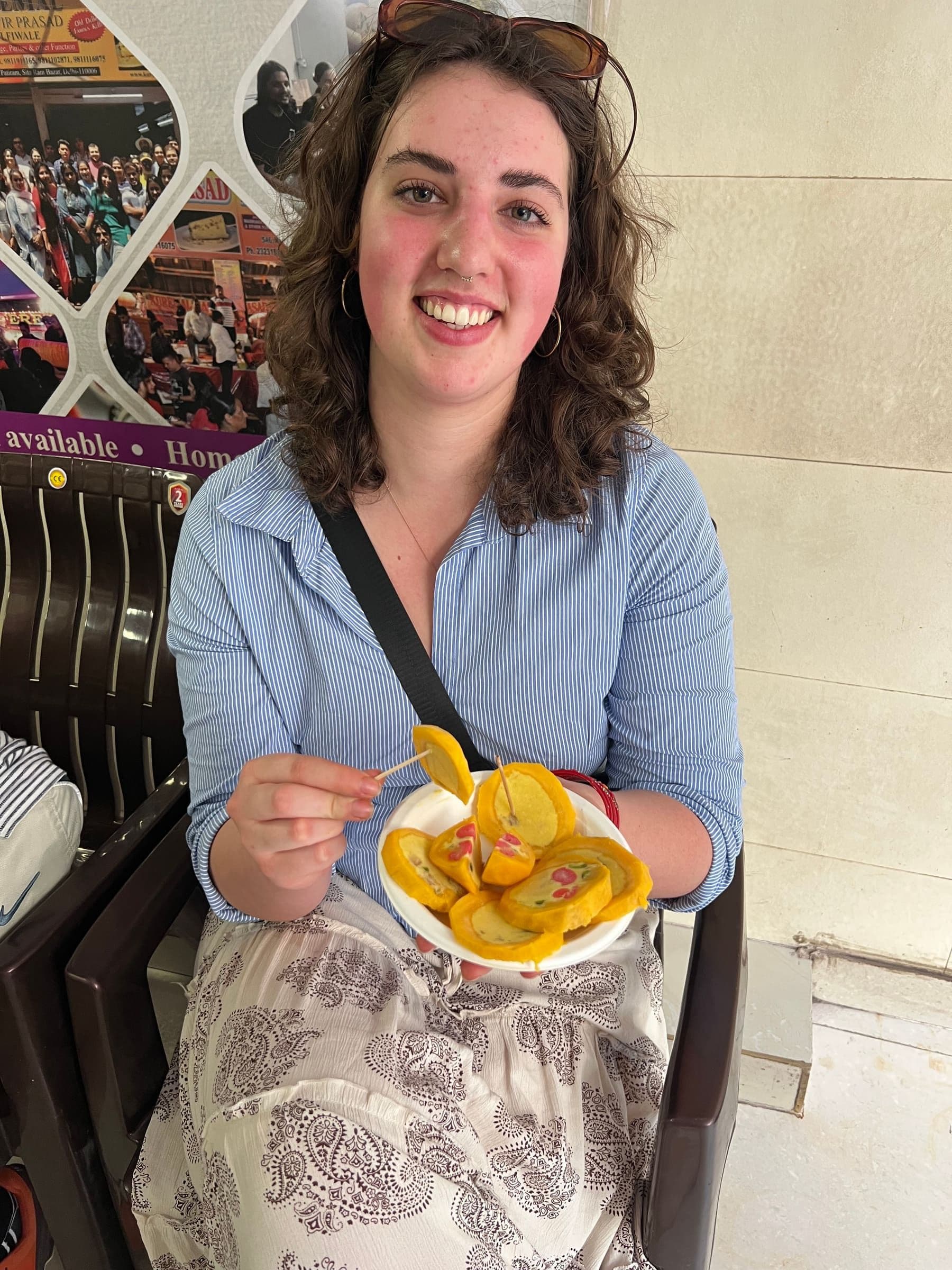
Dense, slow-churned Indian ice cream, traditionally hand-frozen in cone-shaped moulds, here served hollowed-out fruit stuffed with mango, pomegranate, or seasonal fruit kulfi. This shop is over 100 years old and hidden in Kucha Pati Ram, near Chawri Bazar.
- Taste Profile
- Rich, dense, and less sweet than Western ice cream, with genuine fruit flavour running through rather than just on top.
- History
- Kuremal Mohan Lal Kulfi Wale has been making kulfi the traditional way — no machines, no shortcuts — for more than a century.
Insider tip: The mango-stuffed kulfi (in season) and the orange-stuffed version are the two most requested — ask what's freshest that day.
Why tourists love it: It's the rare hidden-gem shop that's also genuinely over a century old — most 'hidden gems' are new, this one just isn't well-marketed.
 7
7Lassi
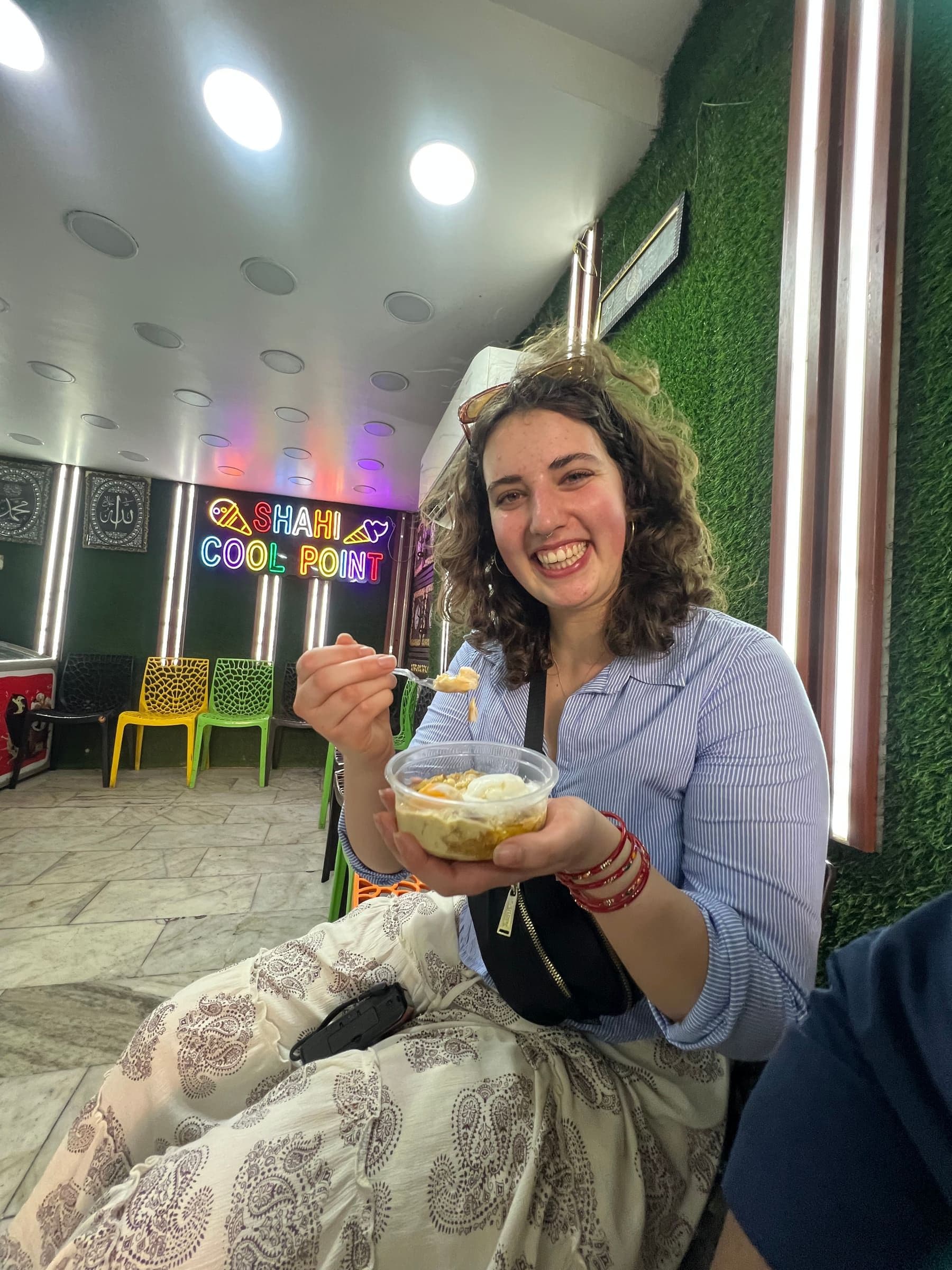
Thick, chilled, whisked yogurt, sweetened and sometimes topped with a layer of malai (clotted cream), served in tall glasses or traditional clay kulhads.
- Taste Profile
- Cool, thick, and tangy-sweet — one of the most effective palate cleansers between richer, spicier dishes.
- History
- A Punjabi dairy tradition that took root strongly in Delhi after Partition alongside chole bhature and paranthas.
Insider tip: If offered a choice between a glass and a clay kulhad, take the kulhad — the unglazed clay adds a faint earthy note that's part of the traditional experience.
Why tourists love it: It's the single most effective way to cool down and reset your palate mid-walk through Chandni Chowk's heat and spice.
 8
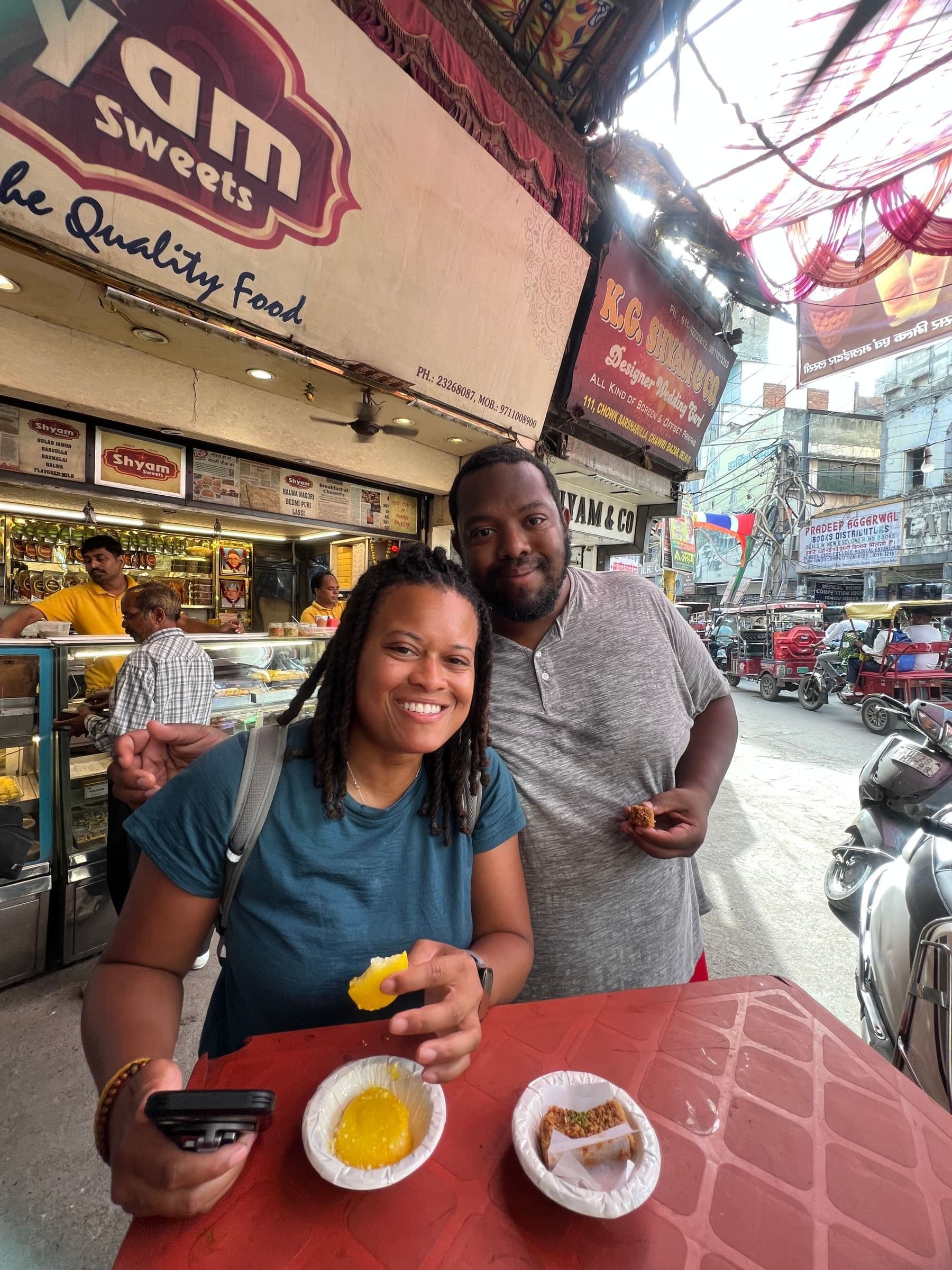
8Rabri Faluda — Giani's Di Hatti
Reduced, sweetened milk (rabri) layered over thin vermicelli noodles (faluda), rose syrup, and basil seeds. Giani's Di Hatti, near the Fatehpuri end of Chandni Chowk, is the most famous address for this specific dessert.
- Taste Profile
- Rich, creamy, and floral from the rose syrup, with a pleasant textural contrast from the vermicelli and basil seeds.
- History
- A Mughal-influenced dessert; Giani's has specialized in rabri-based sweets for multiple generations.
Insider tip: Ask for it 'kam meetha' (less sweet) if you have a lower sugar tolerance — the standard preparation is quite sweet by design.
Why tourists love it: It's consistently the dish guests ask us to write down the name of so they can order it again before leaving Delhi.
 9
9Shahi Tukda
Fried bread slices soaked in sweetened, reduced milk and topped with nuts and silver leaf — essentially a Mughlai bread pudding, and one of the richest desserts in Old Delhi.
- Taste Profile
- Dense, sweet, and buttery from the fried bread, balanced by cardamom and saffron in the milk.
- History
- Believed to have originated in Mughal royal kitchens as a way to use leftover bread — 'shahi' literally means 'royal.'
Insider tip: Share one portion between two people — it's dense enough that a full portion alone can be a lot after a morning of eating.
Why tourists love it: It's the dessert most likely to surprise visitors who assume Indian sweets are all the same — this one is closer to a European-style bread pudding.
 10
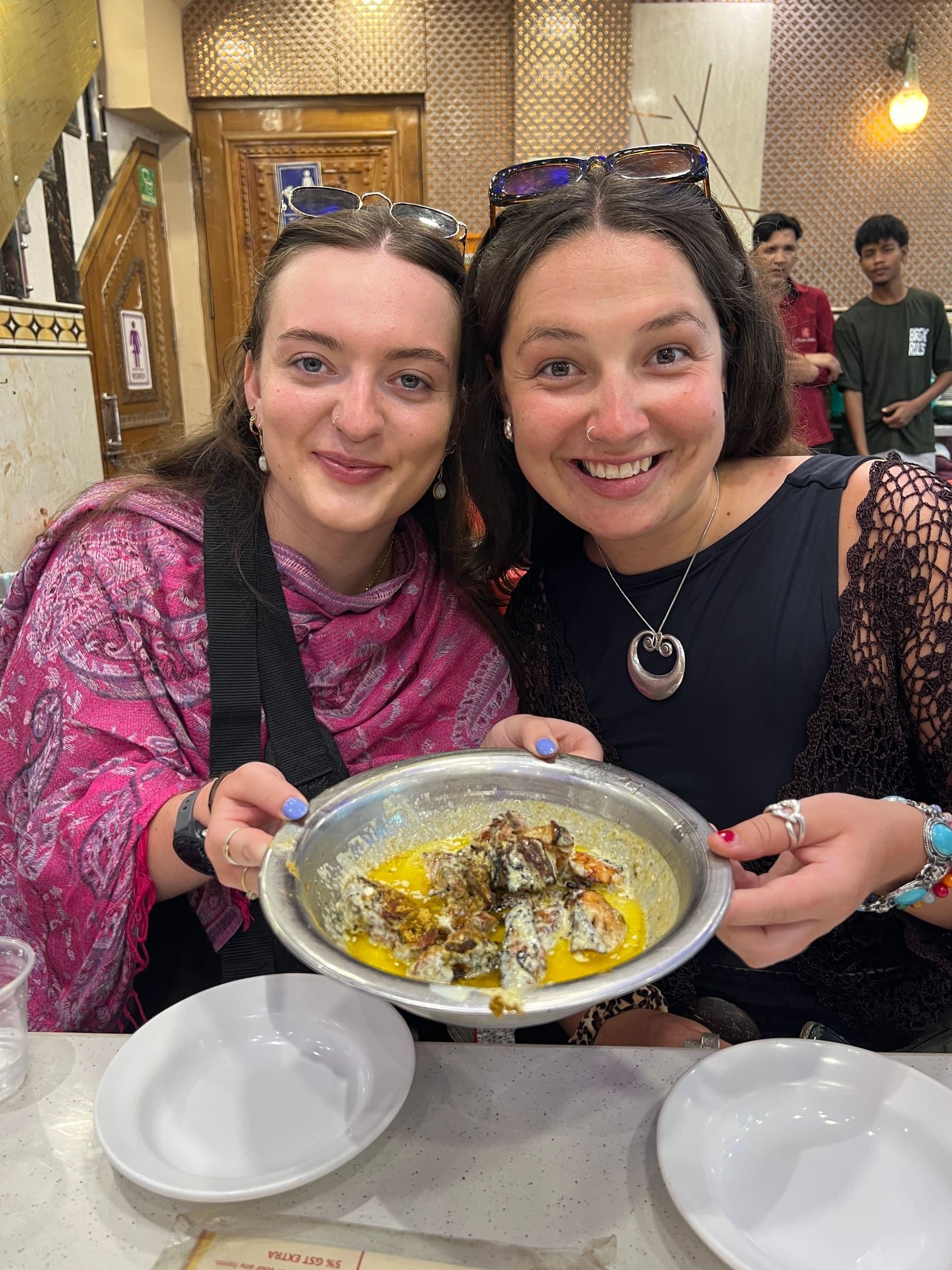
10Butter Chicken
Tandoor-charred chicken simmered in a rich, buttery tomato gravy — the dish most associated with Delhi cuisine worldwide, with roots at Moti Mahal in nearby Daryaganj.
- Taste Profile
- Creamy, mildly tangy from tomato, gently spiced rather than fiery, with charred smokiness from the tandoor-cooked chicken.
- History
- Widely credited to Moti Mahal, whose chefs reportedly invented the dish after Partition as a way to use leftover tandoori chicken by simmering it in a butter-and-tomato gravy.
Insider tip: This is the one dish on this list worth having at a proper sit-down restaurant rather than a street stall, given the cooking process involved.
Why tourists love it: It's the dish that puts Old Delhi's food history in global context — most visitors are surprised to learn butter chicken was invented streets away from Chandni Chowk.
 11
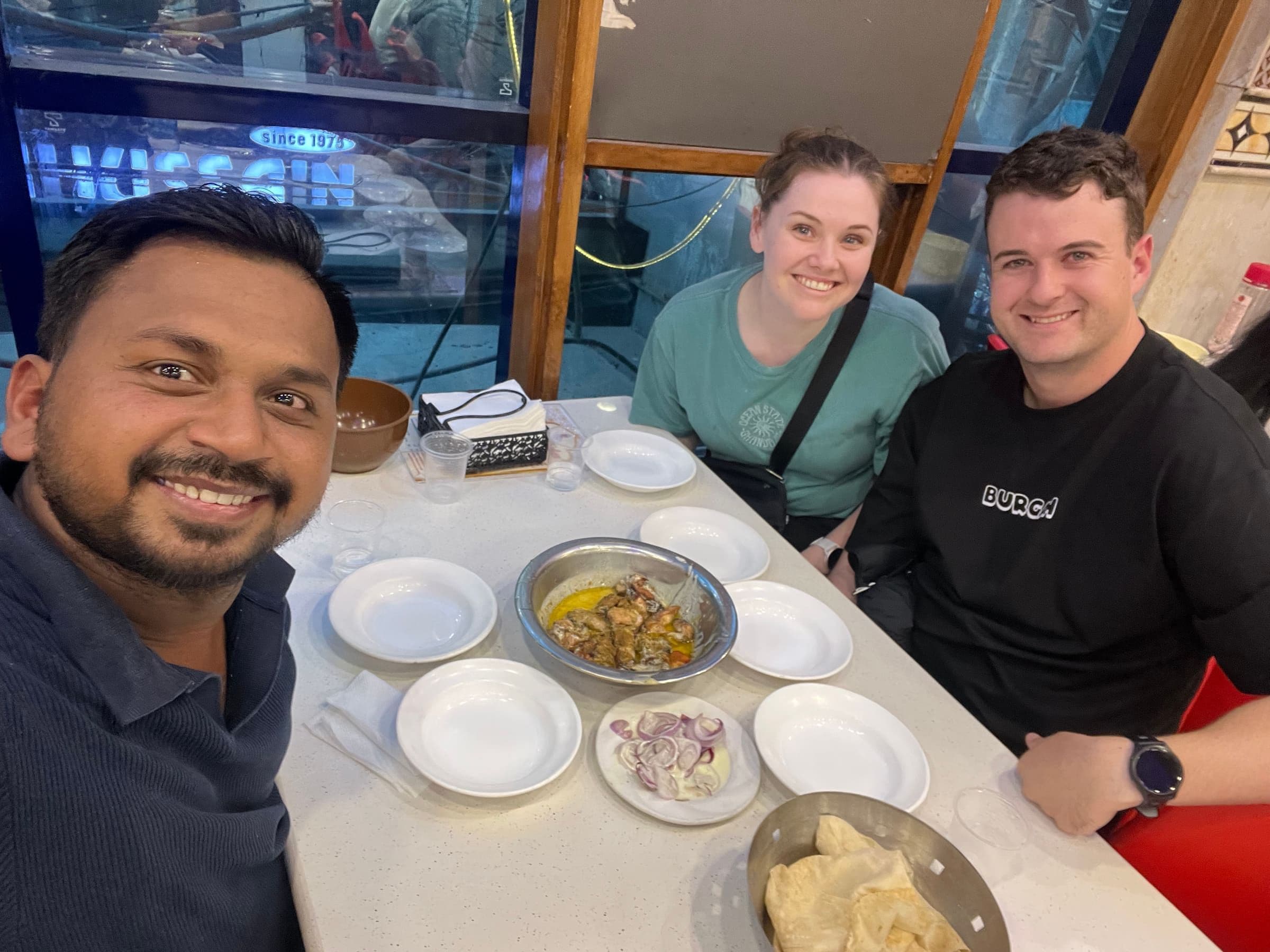
11Bedmi Puri with Aloo Sabzi
Deep-fried, lentil-stuffed bread served with a tangy potato curry — a classic Old Delhi breakfast, less famous internationally than paranthas but just as beloved locally.
- Taste Profile
- Earthy from the urad dal stuffing, paired with a tangy, mildly spiced potato curry — heavier and more savoury than a plain puri.
- History
- A north Indian breakfast tradition that predates most of Chandni Chowk's more famous single-dish specialists.
Insider tip: If you only have time for one breakfast dish in Old Delhi, choose based on your mood: paranthas if you want something crisp, bedmi puri if you want something softer and more savoury.
Why tourists love it: It's the dish locals eat that tourists usually miss entirely, simply because most food tours run later in the day than bedmi puri's breakfast window.
 12
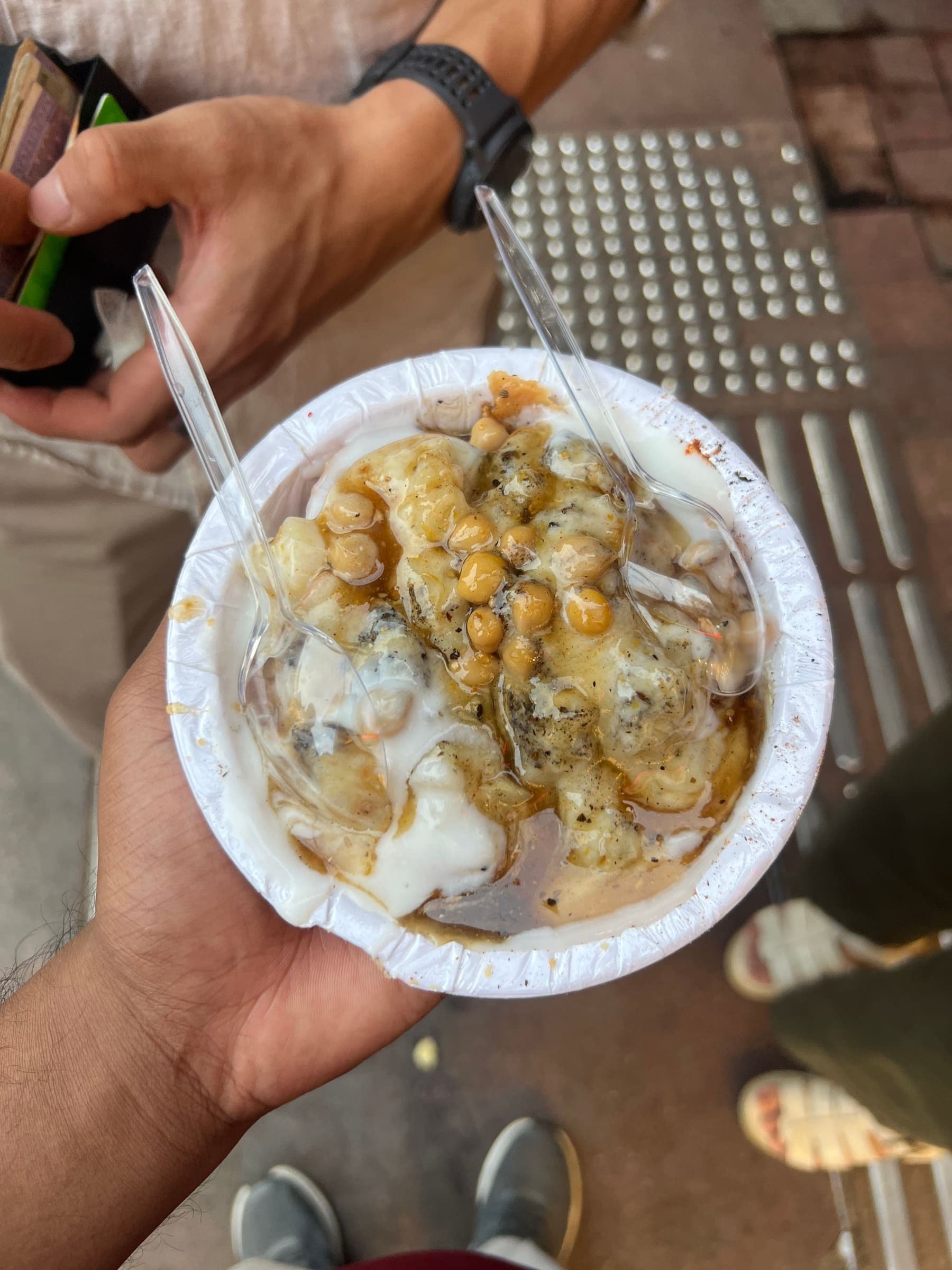
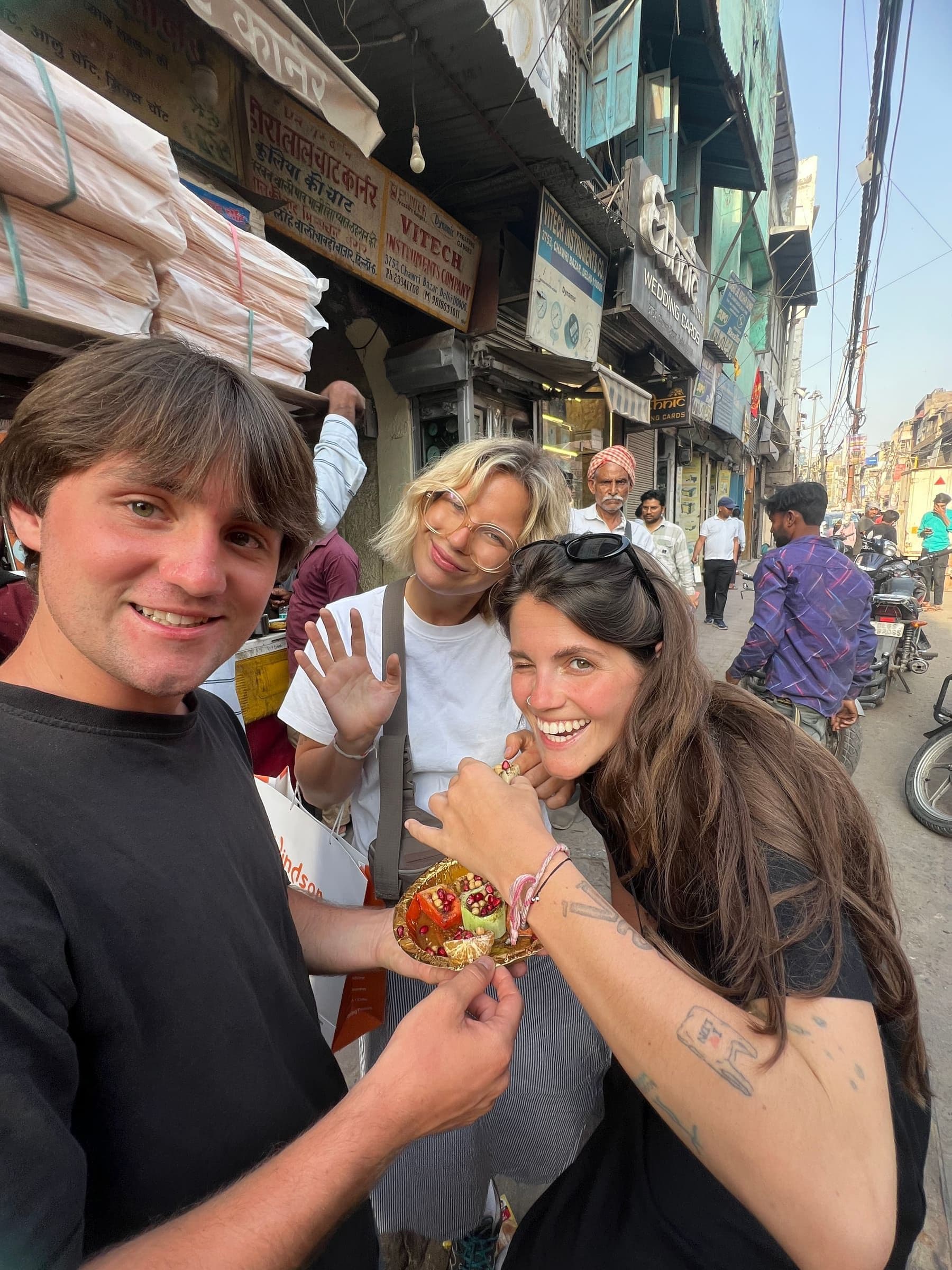
12Dahi Bhalla — Natraj Dahi Bhalla Corner
Soft lentil dumplings soaked in creamy yogurt, topped with tamarind and mint chutneys, pomegranate, and spices. Natraj Dahi Bhalla Corner, on the main Chandni Chowk road, has been serving this since around 1940.
- Taste Profile
- Cool and creamy from the yogurt, with sweet-tangy chutney and a light crunch from toppings — a textural highlight among Chandni Chowk chaats.
- History
- One of the longest-running single-dish specialists on the main Chandni Chowk road, run by the same family for multiple generations.
Insider tip: Expect a short queue at busy times — it moves quickly, and it's worth the five-minute wait.
Why tourists love it: It's one of the few chaat spots that both tourists and lifelong Delhi residents agree on unreservedly — genuinely no local disagreement about this one.
 13
13Fruit Chaat — Century-Old Corner Stalls
Fresh seasonal fruit tossed with chaat masala, black salt, and a squeeze of lime — a lighter counterpoint to the fried, rich dishes that dominate most of this list.
- Taste Profile
- Fresh, tangy, lightly spiced — a genuine palate reset after several rounds of fried food.
- History
- Some fruit chaat stalls in the area have operated from the same corner for over a hundred years, adjusting only the fruit selection with the seasons.
Insider tip: This is one of the safest, freshest options for anyone slightly nervous about street food, since the fruit itself is generally cut to order.
Why tourists love it: It balances out a food walk that otherwise leans heavily fried and rich — most guests are grateful for at least one lighter stop.
 14
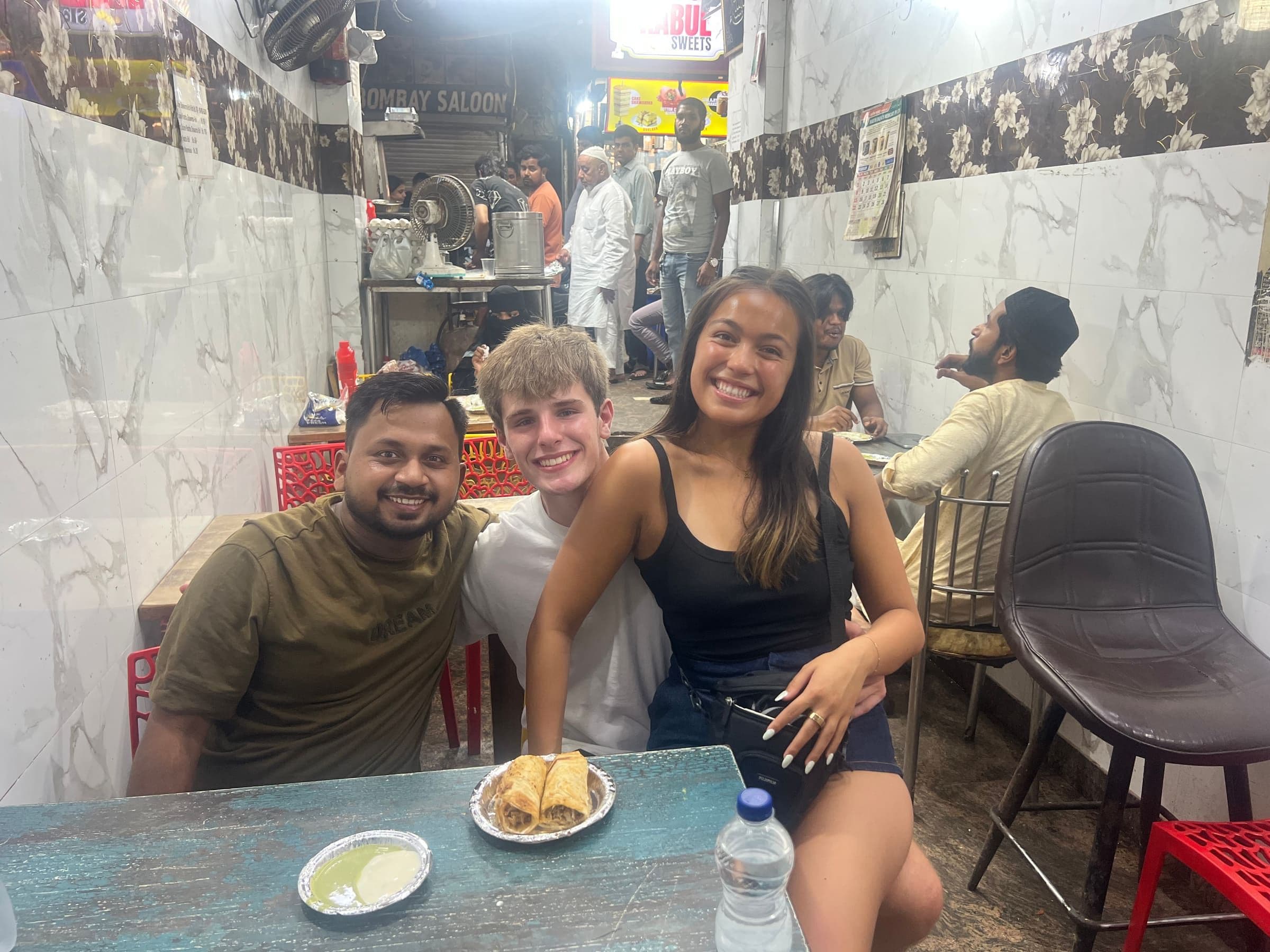
14Chicken Shawarma — Late-Night Grill Stalls
Marinated chicken, char-grilled off the spit and rolled fresh with vegetables and sauces — a newer addition to Chandni Chowk's food scene, but one of its most popular after-dark options.
- Taste Profile
- Smoky and savoury from the grill, with fresh crunch from the vegetables and a creamy garlic or chili sauce.
- History
- A more recent arrival compared to the market's Mughal-era classics, reflecting how Chandni Chowk's food scene keeps absorbing new influences rather than freezing in time.
Insider tip: Choose a stall that's actively grilling in front of you rather than one with meat sitting pre-cooked on the spit for a while.
Why tourists love it: It's a reminder that Chandni Chowk's food culture isn't a museum piece — it's still evolving and absorbing new dishes today.
 15
15Street Cart Chaat Mix — Local Hidden Gem
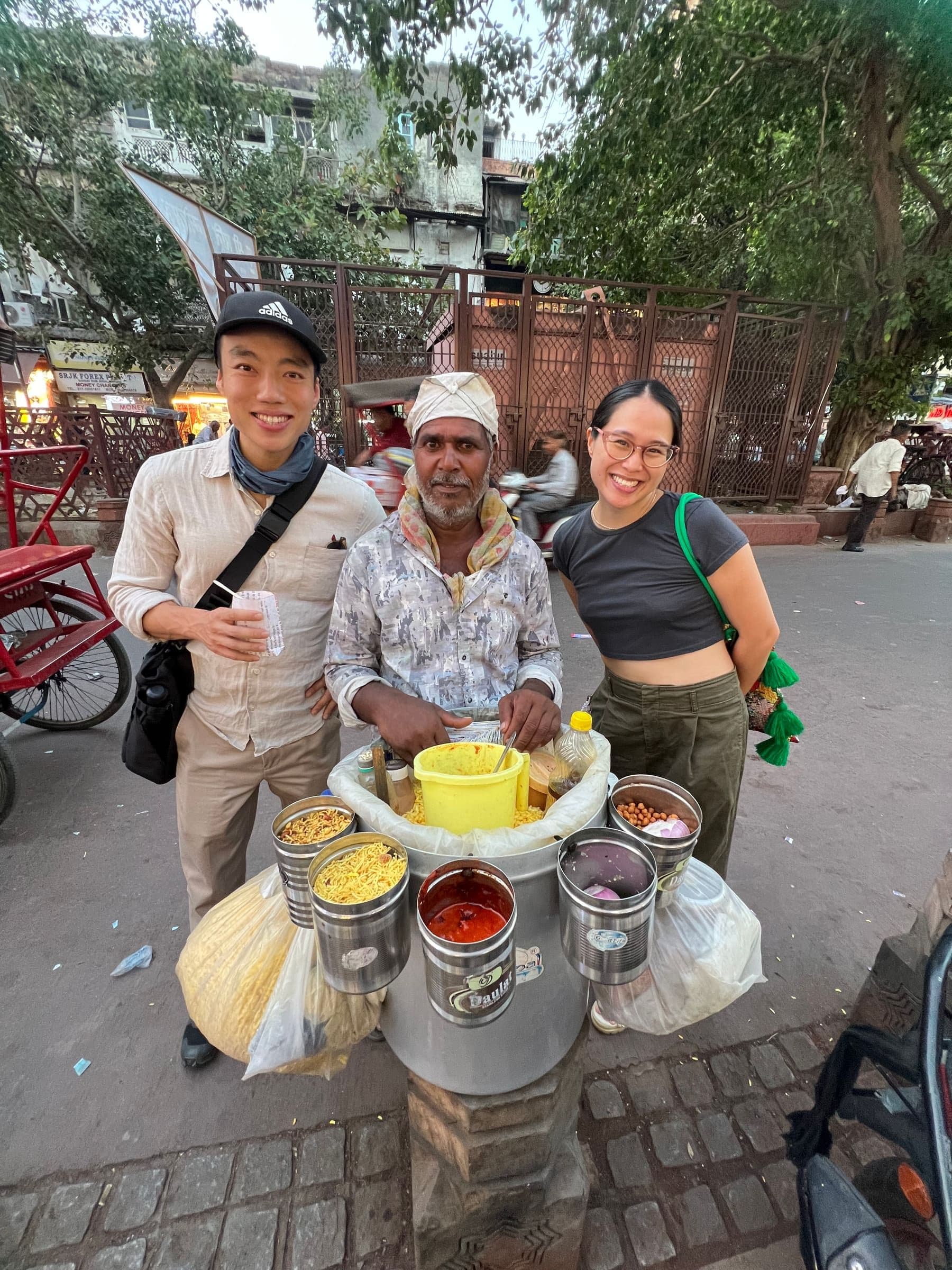
A mixed, made-to-order chaat from a mobile cart — crunchy sev, roasted chana, onions, and a rotating lineup of chutneys, mixed fresh in front of you and tuned to how spicy or tangy you like it.
- Taste Profile
- Crunchy, tangy, and customizable — no two orders from the same cart taste quite identical.
- History
- These carts don't have famous names or centuries of documented history — they're simply run by vendors who know their regular customers' preferences by heart.
Insider tip: Point at what looks good rather than trying to name it — most cart vendors are used to mixing to taste on request, even without a shared language.
Why tourists love it: It's the single best example of why a guided walk finds things a guidebook can't: this cart has no address, no sign, and no listing anywhere online.
Best Food Streets in Chandni Chowk
Chandni Chowk isn't one street — it's a network of them, and each has its own culinary personality:
- Paranthe Wali Gali — the parantha specialist lane, just off the main road, unmissable for breakfast.
- Chandni Chowk Main Road — home to Natraj Dahi Bhalla, several chole bhature stalls, and lassi corners.
- Dariba Kalan — historically a jewellery lane, but also home to Old Famous Jalebi Wala at its corner.
- Gali Kababian, near Jama Masjid — the Mughlai meat and kebab district, anchored by Karim's.
- Kucha Pati Ram, near Chawri Bazar — quieter, home to hidden-gem shops like Kuremal's century-old kulfi.
- Khari Baoli approach — Asia's largest spice market sits at Chandni Chowk's western end, and the food stalls along the approach reflect that intensity of flavour.
Vegetarian Food Guide
Chandni Chowk is one of the easiest places in India to eat exceptionally well as a vegetarian — arguably easier than as a non-vegetarian, given how many of its most famous dishes are naturally vegetarian. Paranthas, jalebi, daulat ki chaat, chole bhature, lassi, rabri faluda, shahi tukda, dahi bhalla, and fruit chaat — nine of the fifteen dishes above — contain no meat at all. Many stalls are also happy to make adjustments for Jain guests (no onion or garlic) if asked in advance; this is common enough in Old Delhi that vendors are generally accustomed to the request.
Non-Vegetarian Food Guide
The non-vegetarian side of Old Delhi food is concentrated more heavily around Jama Masjid and Gali Kababian than in Chandni Chowk's main lanes, reflecting the historically Muslim character of that neighbourhood. Karim's kebabs and korma, butter chicken (best had at a sit-down restaurant rather than a stall), and evening chicken shawarma are the standout picks. Halal is the norm across nearly all of Old Delhi's non-vegetarian food stalls and restaurants, which is worth knowing if that matters to your travel plans.
Food Safety Tips for Tourists
Street food safety in Chandni Chowk comes down to a few simple, repeatable habits rather than avoiding street food altogether — plenty of visitors eat their way through Old Delhi with no issues at all when they follow these:
- Choose stalls with high turnover and visible queues — food that's cooked fresh in front of you, or moving fast, is far less risky than food that's been sitting.
- Watch the cooking, not just the finished dish — if you can see it fried, grilled, or boiled in front of you, that's reassuring.
- Stick to bottled or sealed water, and be cautious with ice unless you know it's made from filtered water.
- Start with milder, smaller portions on your first day to let your system adjust, rather than eating a huge variety all at once.
- Carry basic rehydration salts or an anti-diarrheal as a precaution, the way you would travelling anywhere with unfamiliar food and water.
- If you have specific allergies, learn the Hindi words for your allergens or carry a translated card — most vendors will accommodate a request if they understand it clearly.
Best Time to Visit Chandni Chowk
October through March is the most comfortable season weather-wise, and it's also when Daulat Ki Chaat is available, making winter genuinely the best overall time for Chandni Chowk food specifically. Within a single day, late morning through early afternoon (roughly 10am–2pm) is when the largest number of stalls are in full swing, though evening (after 6pm) brings its own energy, especially around the kebab and shawarma stalls near Jama Masjid. Avoid the peak of summer afternoons (April–June, roughly 1pm–4pm) if possible — the heat is intense and several vendors slow down or pause during that window.
How to Reach Chandni Chowk
The Delhi Metro is by far the easiest way in. Chawri Bazar Metro Station (Yellow Line), Gate No. 3, puts you directly at the edge of the food lanes and is our own meeting point for tours. Chandni Chowk Metro Station, one stop further, is another common entry point closer to the Red Fort end of the market. Both stations avoid Old Delhi's notoriously congested traffic entirely. If you're coming by car or auto-rickshaw, expect slow going and limited parking — the metro genuinely is the better option here, not just the cheaper one.
Self-Guided Food Tour Route
If you'd rather explore independently, here's a route that roughly follows the order most of our own guests find works best, timed for a mid-morning start:
- Start at Chawri Bazar Metro Station, Gate No. 3.
- Walk to Paranthe Wali Gali for a stuffed parantha breakfast.
- Head toward the Chandni Chowk main road for dahi bhalla at Natraj Dahi Bhalla Corner.
- Continue to Dariba Kalan for jalebi at Old Famous Jalebi Wala.
- Detour to Kucha Pati Ram for kulfi at Kuremal Mohan Lal Kulfi Wale.
- Walk toward Fatehpuri Masjid for rabri faluda at Giani's Di Hatti.
- If time allows, extend toward Jama Masjid for Mughlai kebabs at Karim's before finishing your day.
This route covers roughly 2–2.5km of walking and takes 3–4 hours at an unhurried pace — comfortable, closed-toe shoes are worth it.
Why a Guided Food Tour Is Better
Everything in this guide is genuinely doable on your own, and we mean that — the self-guided route above works. But after ten years of running the Old Delhi Street Food Walking Tour, here's the honest case for going with a local guide instead of navigating solo:
- Hidden gems — the kind of no-name cart in the '15th food' entry above simply isn't findable from a guidebook or map; it's found by knowing someone who eats there weekly.
- Hygiene judgment — knowing which stall's turnover is high enough to be safe, and which to skip that day, comes from watching these lanes daily, not from a single visit.
- Local stories — every dish above has a history most vendors won't stop to explain mid-service; a guide fills that gap in real time.
- Skipping tourist traps — a few shops in Chandni Chowk cater specifically to tourists with inflated prices and blander food; locals know exactly which ones to route around.
- Time efficiency — a guide sequences the walk so you're never backtracking, and times each stop for when that specific vendor's food is freshest.
If you'd rather skip the planning and eat exactly what we've spent ten years learning to order, join our Old Delhi Food Tour.
Final Word on Chandni Chowk Food
Chandni Chowk food rewards curiosity more than any other food destination in India. Whether you follow the self-guided route above or explore hidden food gems in Old Delhi with local experts on a guided walk, the market's 375-year-old lanes have more genuinely great food per square metre than almost anywhere else in the world. Start at Paranthe Wali Gali, end wherever your appetite runs out, and don't be afraid to ask a vendor what they'd order for themselves — that question has led us to nearly every stop on this list.