Old Delhi Travel Guide: Everything First-Time Visitors Need to Know
Written by Rahul, founder and lead guide of Old Delhi Food Tours, based on 10+ years of daily walks through Chandni Chowk's food lanes.
Old Delhi is the walled city Mughal emperor Shah Jahan built in the 1650s — and it's still, block for block, the most intense, rewarding place to spend a day anywhere in India. Narrow lanes barely wide enough for two people to pass, 375-year-old mosques standing beside electronics wholesalers, and food that hasn't changed recipe in five generations: nothing about Old Delhi is designed for tourists, which is exactly why it's worth visiting. This Old Delhi travel guide is built from over ten years of walking these same lanes almost daily with international travelers, and it covers everything a first-time visitor actually needs — not just a list of monuments, but how to get here, what to wear, whether it's safe, what to eat, and a full one-day itinerary that we've refined by watching what actually works for thousands of guests.
If you only read one section, read 'Common Mistakes Tourists Make' near the end — it will save you more time and frustration than any list of attractions.
What Is Old Delhi?
Old Delhi is the historic walled city of Shahjahanabad, built between 1638 and 1648 as the new capital of the Mughal Empire under Emperor Shah Jahan — the same emperor who built the Taj Mahal. It was designed around two grand axes: the Red Fort as the seat of imperial power, and Chandni Chowk as the main commercial artery running west from it. The 'walled city' name is literal — much of Old Delhi was originally enclosed by a fortified wall with fourteen gates, most of which have since disappeared into the modern city, though a few (like Kashmiri Gate) still stand.
Culturally, Old Delhi remains one of the few places in India where Mughal-era urban planning, architecture, and daily commercial life are still fully intact and functioning — not preserved behind glass, but genuinely lived in. Today it sits within New Delhi's municipal boundaries but retains its own distinct identity, dense population, and centuries-old trade specializations: Khari Baoli still trades spices, Dariba Kalan still trades jewellery, and Chandni Chowk still trades food, exactly as it has for over three and a half centuries.
Why Every Tourist Should Visit Old Delhi
Delhi tourism guides often push visitors toward New Delhi's wide colonial-era boulevards and government buildings, but Old Delhi is where the city's actual character lives. A few reasons it belongs at the top of any Delhi itinerary:
- Food — arguably India's single best concentration of street food, anchored by Chandni Chowk (see our full Chandni Chowk food guide for the definitive list).
- History — Mughal-era mosques, gates, and havelis (mansions) that are centuries old and still in daily use.
- Architecture — a rare surviving example of pre-colonial Indian urban planning, dense and unplanned in the best way.
- Markets — genuine wholesale trade, not tourist-oriented shopping; Khari Baoli, Dariba Kalan, and Kinari Bazaar each specialize in one category of goods.
- Religious diversity — Jama Masjid, Gurudwara Sis Ganj Sahib, Fatehpuri Masjid, and several temples sit within walking distance of each other.
- Photography — few places in the world offer this density of texture, colour, and human activity in such a small area.
- Local culture — Old Delhi is genuinely lived-in, not a preserved heritage zone; you're observing real daily life, not a recreation of it.
Top Attractions in Old Delhi
These are the sites we route every first-time visitor toward, in roughly the order they work best geographically.
1Chandni Chowk
Old Delhi's main market street, built in 1650 as the commercial heart of Shahjahanabad. Today it's the single best introduction to Old Delhi — food, shopping, and history all in one half-kilometre stretch.
History: Commissioned by Shah Jahan and designed by his daughter, Jahanara Begum, originally with a canal running down its centre.
Local tip: Come hungry and plan your food stops before you start walking — see our Chandni Chowk food guide for a complete route.
Nearby: Paranthe Wali Gali, Dariba Kalan, Fatehpuri Masjid, Red Fort
 2
2Jama Masjid
India's largest mosque, commissioned by Shah Jahan and completed in 1656. Its courtyard alone can hold 25,000 worshippers, and the minarets offer one of the best rooftop views over Old Delhi.
History: Built over six years (1650–1656) using red sandstone and white marble, the same materials as the Red Fort.
Local tip: Modest dress is required (covered shoulders and legs); robes are available to borrow at the entrance if needed. Remove shoes before entering.
Nearby: Karim's restaurant, Gali Kababian, Meena Bazaar, Red Fort
 3
3Red Fort (Lal Qila)
The Mughal Empire's principal residence for nearly 200 years and a UNESCO World Heritage Site since 2007. Its massive red sandstone walls dominate the eastern edge of Old Delhi.
History: Built by Shah Jahan between 1638 and 1648 as the fortified palace of the new Mughal capital, Shahjahanabad.
Local tip: Budget at least 90 minutes to see the fort properly, and don't skip the evening sound-and-light show if your schedule allows.
Nearby: Chandni Chowk, Jama Masjid, Meena Bazaar
 4
4Fatehpuri Masjid
A red sandstone mosque marking the western end of Chandni Chowk, built in 1650 and less crowded than Jama Masjid, offering a quieter glimpse of Mughal-era religious architecture.
History: Commissioned by Fatehpuri Begum, one of Shah Jahan's wives, the same year Chandni Chowk itself was built.
Local tip: This is a genuinely quiet, contemplative stop compared to Jama Masjid — worth the short detour if you want a calmer moment mid-walk.
Nearby: Khari Baoli spice market, Chandni Chowk main road, Giani's Di Hatti
 5
5Khari Baoli (Asia's Largest Spice Market)
A wholesale spice, dried fruit, and herb market stretching west from Fatehpuri Masjid — sacks of chilies, turmeric, and cardamom stacked floor to ceiling, and the air thick with their smell from the street.
History: Operating on this site since the 17th century, it remains one of Asia's largest wholesale spice markets by volume.
Local tip: This is a working wholesale market, not a boutique shop — expect narrow aisles, loading carts, and genuine trade rather than tourist-facing retail.
Nearby: Fatehpuri Masjid, Chandni Chowk, Sadar Bazaar
 6
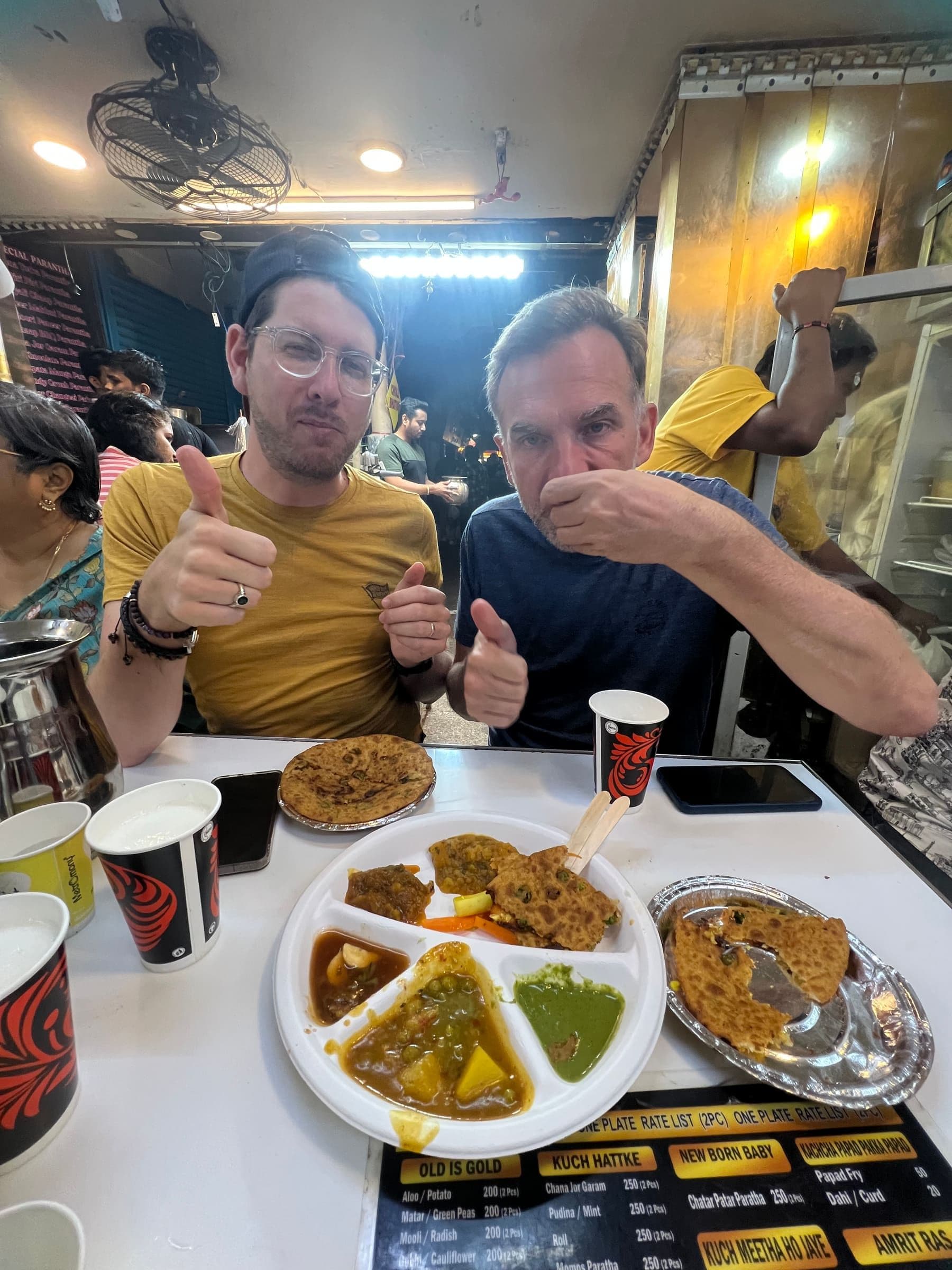
6Paranthe Wali Gali
A single narrow lane packed with stuffed parantha shops, some family-run since the 1870s. One of Old Delhi's most photographed food destinations, and a essential breakfast stop.
History: Clustered here roughly 150 years ago to serve traders and temple visitors passing through the area.
Local tip: See our Chandni Chowk food guide for exactly which shops and dishes to order here.
Nearby: Chandni Chowk main road, Dariba Kalan, Kinari Bazaar
 7
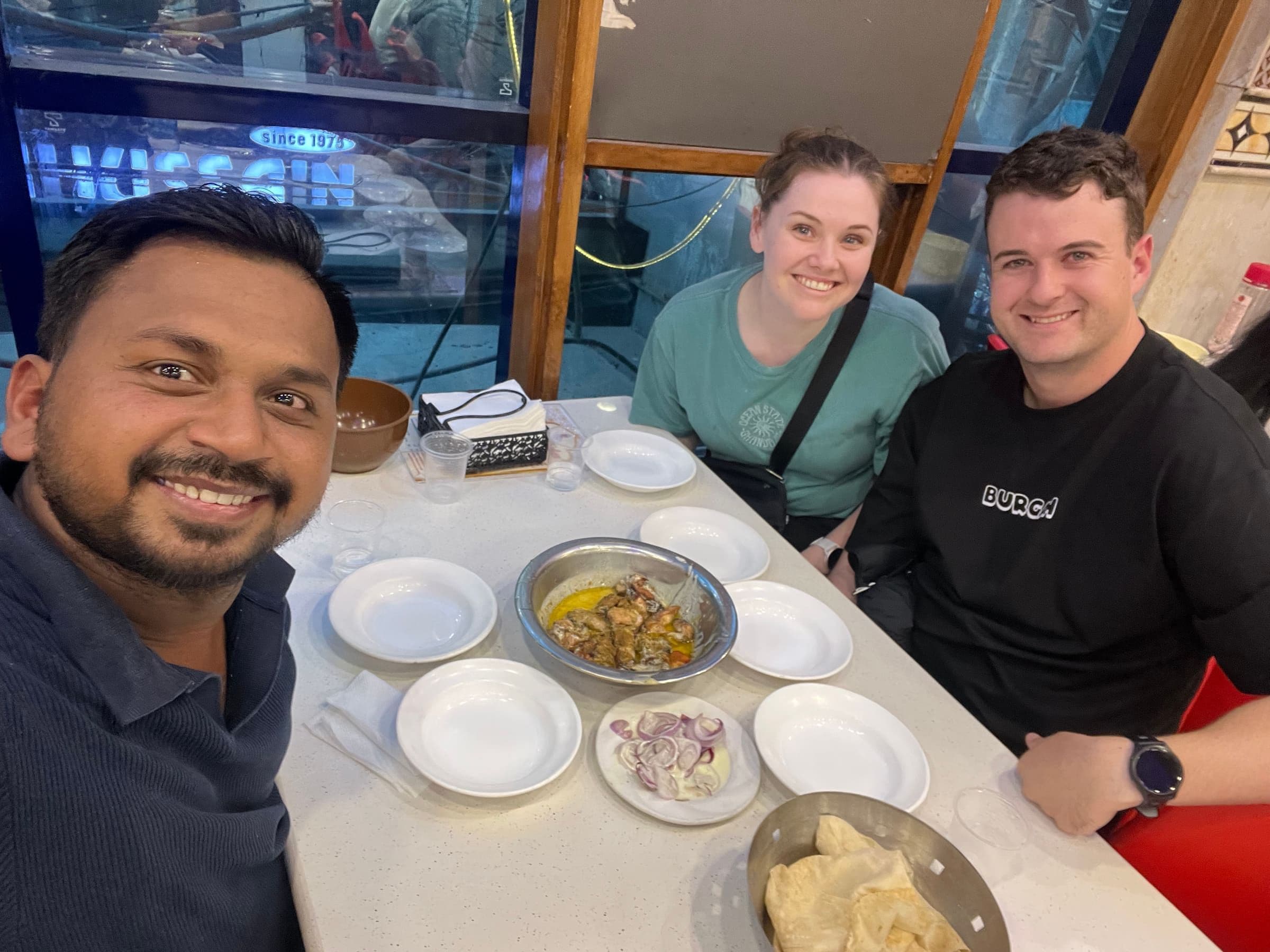
7Gurudwara Sis Ganj Sahib
A significant Sikh gurudwara on the Chandni Chowk main road, marking the site where the ninth Sikh Guru, Guru Tegh Bahadur, was executed in 1675. Open to all visitors regardless of religion.
History: Built on the site of Guru Tegh Bahadur's martyrdom, later commemorated with the gurudwara that stands today.
Local tip: Cover your head (scarves are provided at the entrance if needed) and remove your shoes before entering. The community kitchen is a genuinely moving experience — visitors are welcome to eat, and even to help serve.
Nearby: Chandni Chowk main road, Central Baptist Church, Digambar Jain Lal Mandir
 8
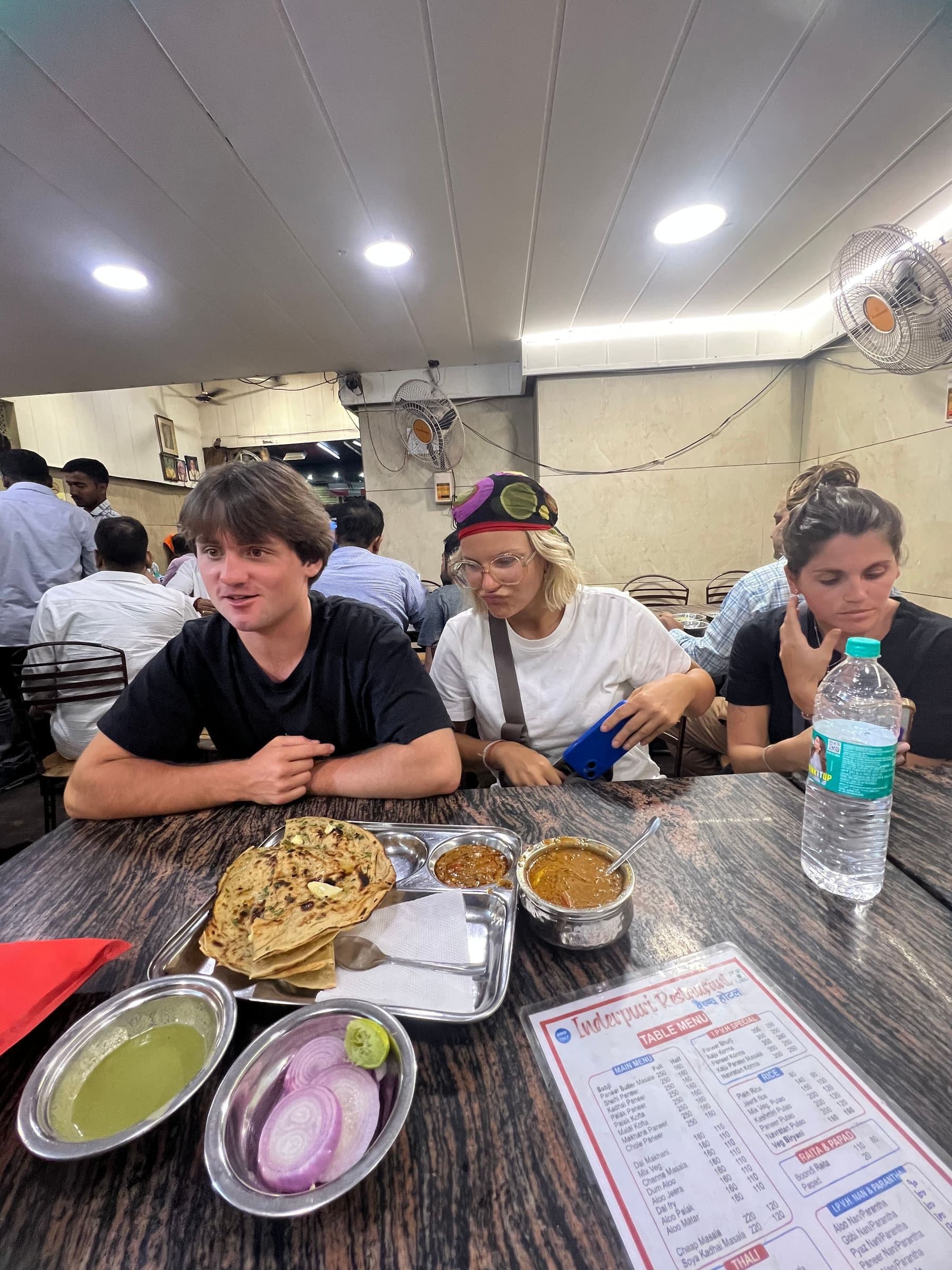
8Ballimaran
A historic lane best known as the home of Mirza Ghalib, one of the most celebrated Urdu poets in South Asian history. Quieter and more residential than the main market lanes, with genuine old-city character.
History: Ghalib lived in a haveli (mansion) in this lane during the 19th century; part of it is preserved today as a small memorial.
Local tip: This is one of the least touristed stops on this list — worth it specifically for travelers who want to see residential Old Delhi rather than only its markets.
Nearby: Chandni Chowk, Chawri Bazar
 9
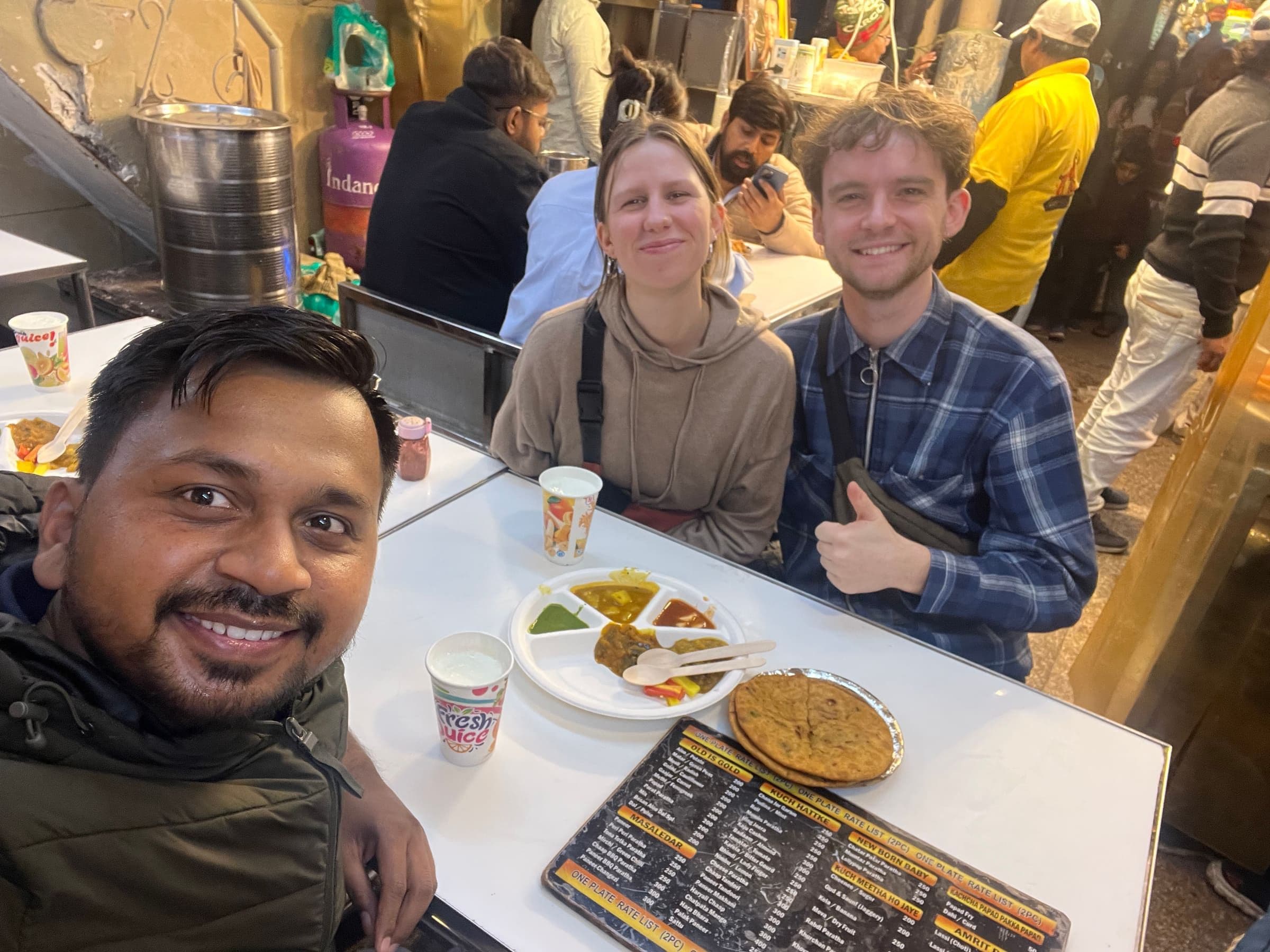
9Chawri Bazar
Historically a wholesale market for brass and copperware, now known for paper and wedding-card wholesalers. Also home to our own starting point — Chawri Bazar Metro Station, Gate No. 3 — making it a natural first or last stop on any Old Delhi visit.
History: One of Old Delhi's oldest specialized wholesale markets, trading continuously in its respective goods for well over a century.
Local tip: This is the easiest entry point into Old Delhi thanks to the metro station — it's where every one of our own tours begins.
Nearby: Kucha Pati Ram (Kuremal's kulfi), Chandni Chowk, Jama Masjid
How to Reach Old Delhi
The Delhi Metro is, without qualification, the best way to reach Old Delhi. It bypasses the area's notoriously dense traffic entirely and drops you within walking distance of every major attraction on this list.
| Metro Station | Line | Best For |
|---|---|---|
| Chawri Bazar | Yellow Line | Chandni Chowk food lanes, Kucha Pati Ram (our own tour's starting point, Gate No. 3) |
| Chandni Chowk | Yellow Line | Red Fort, Fatehpuri Masjid, main Chandni Chowk road |
| Lal Qila | Violet Line | Red Fort's main entrance |
| Jama Masjid | Violet Line | Jama Masjid, Meena Bazaar, Karim's |
- From Delhi Airport: Take the Airport Express Line to New Delhi Railway Station, then switch to the Yellow Line to Chawri Bazar or Chandni Chowk — roughly 45–60 minutes total.
- Uber and taxi: Convenient but slow near Old Delhi's narrow lanes; expect the last stretch to be on foot regardless.
- Auto-rickshaw: Widely available and can navigate closer to specific lanes than a car, but agree on a price or insist on the meter before starting.
Best Time to Visit Old Delhi
October through March is the best overall window — comfortable temperatures for walking, and the only season for the winter-exclusive dessert Daulat Ki Chaat. Within a single day, late morning through early afternoon is when markets and food stalls are at full activity.
| Season | Months | What to Expect |
|---|---|---|
| Winter | November–February | Coolest, most comfortable for walking; some foggy mornings; Daulat Ki Chaat season |
| Summer | April–June | Very hot, often 40°C+; walk early morning or evening, avoid 1–4pm |
| Monsoon | July–September | Humid with heavy, sudden rain; carry a light rain layer and expect some lanes to flood briefly |
| Shoulder season | March, October | Generally comfortable, a good compromise if winter or summer dates don't work |
What to Wear in Old Delhi
Comfortable, closed-toe walking shoes matter more than anything else on this list — Old Delhi's lanes are uneven, and you'll walk 2–4km over several hours. Beyond footwear, dress modestly and practically:
- Men: Light, breathable trousers or long shorts and a t-shirt work fine most of the year; carry a scarf or light shirt to cover shoulders if visiting mosques or the gurudwara.
- Women: Shoulders and knees covered is the general standard, especially at religious sites; loose, breathable fabrics handle both heat and modesty well.
- Summer: Light colours, breathable natural fabrics, a hat, and sunscreen — the heat is genuinely intense April through June.
- Winter: Layers — mornings can be cool, especially in December and January, even though afternoons warm up.
- Religious sites: Jama Masjid and Gurudwara Sis Ganj Sahib both require covered shoulders and legs, and shoes must be removed before entering. Head coverings are required at the gurudwara (scarves provided) and optional but respectful at the mosque.
Is Old Delhi Safe for Tourists?
Yes — Old Delhi is safe for tourists, including solo and female travelers, during daytime and early evening hours, provided you take the same basic precautions you would in any dense, crowded market anywhere in the world.
That said, here's the honest, specific breakdown by traveler type, based on what we've observed guiding thousands of visitors since 2014:
- Solo travelers: Generally very safe during the day; Old Delhi's crowds mean you're rarely genuinely alone, which cuts both ways — stay aware of your belongings in dense areas.
- Female travelers: Widely visited solo by women without incident, though standard precautions (avoiding empty lanes late at night, dressing modestly, staying alert to unwanted attention) apply here as they would anywhere.
- Families: Old Delhi is manageable with children but genuinely crowded and sensory-intense; a stroller is impractical in most lanes, so plan for carrying young children if needed.
- Night visits: The main Chandni Chowk road and areas near Jama Masjid stay lively and reasonably safe into the evening; side lanes get quieter and darker faster, so stick to well-lit main routes after dark.
- Common scams to avoid: Unofficial 'guides' who approach you unprompted near the Red Fort or Jama Masjid, inflated rickshaw fares (agree a price first or insist on the meter), and shops that claim a nearby attraction is 'closed today' to redirect you to their own store.
- Common mistakes: Carrying large amounts of cash or valuables visibly, walking with a phone out and unaware of surroundings in dense crowds, and not confirming rickshaw/taxi prices before starting a ride.
Best Foods to Try in Old Delhi
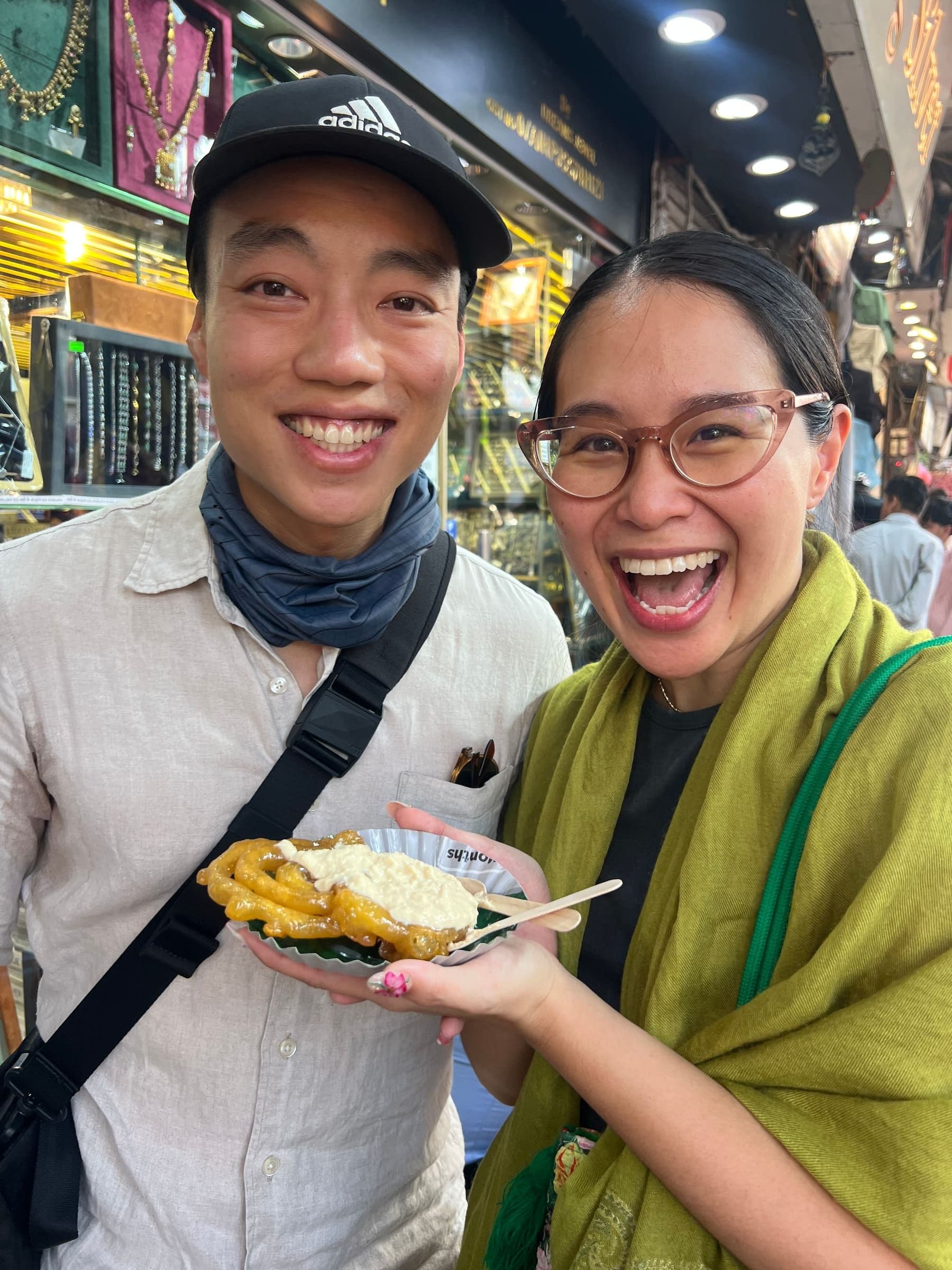
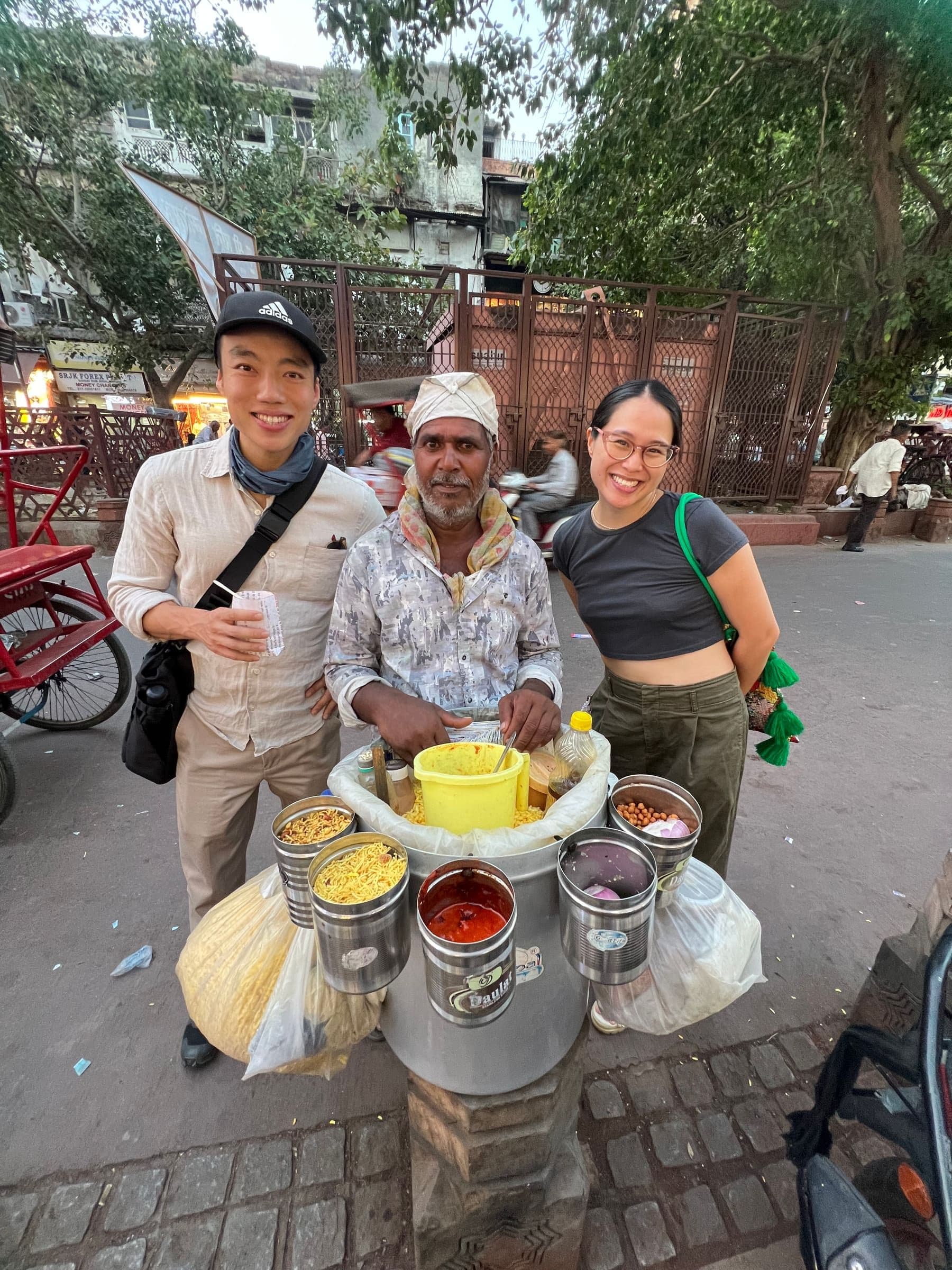
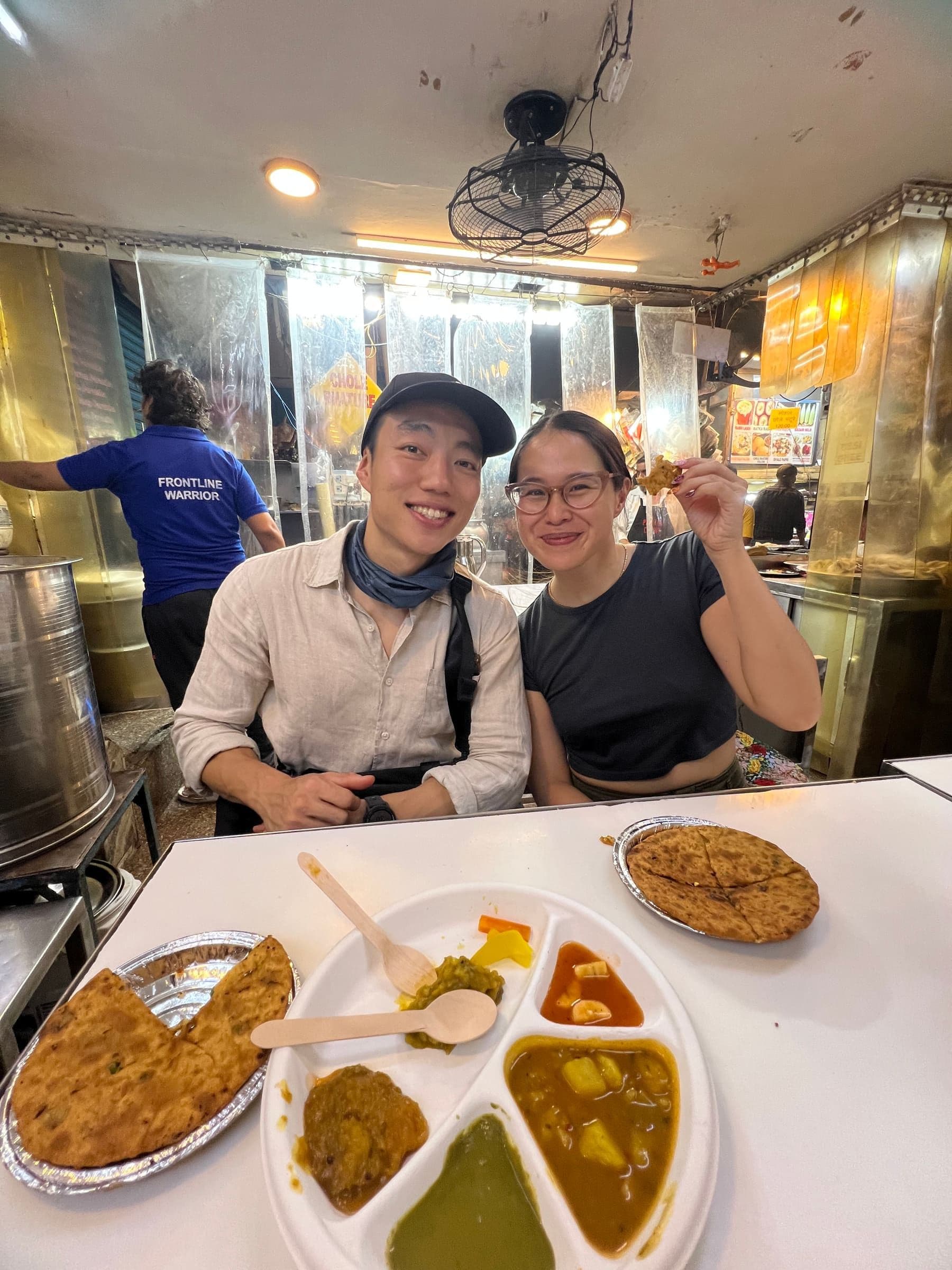
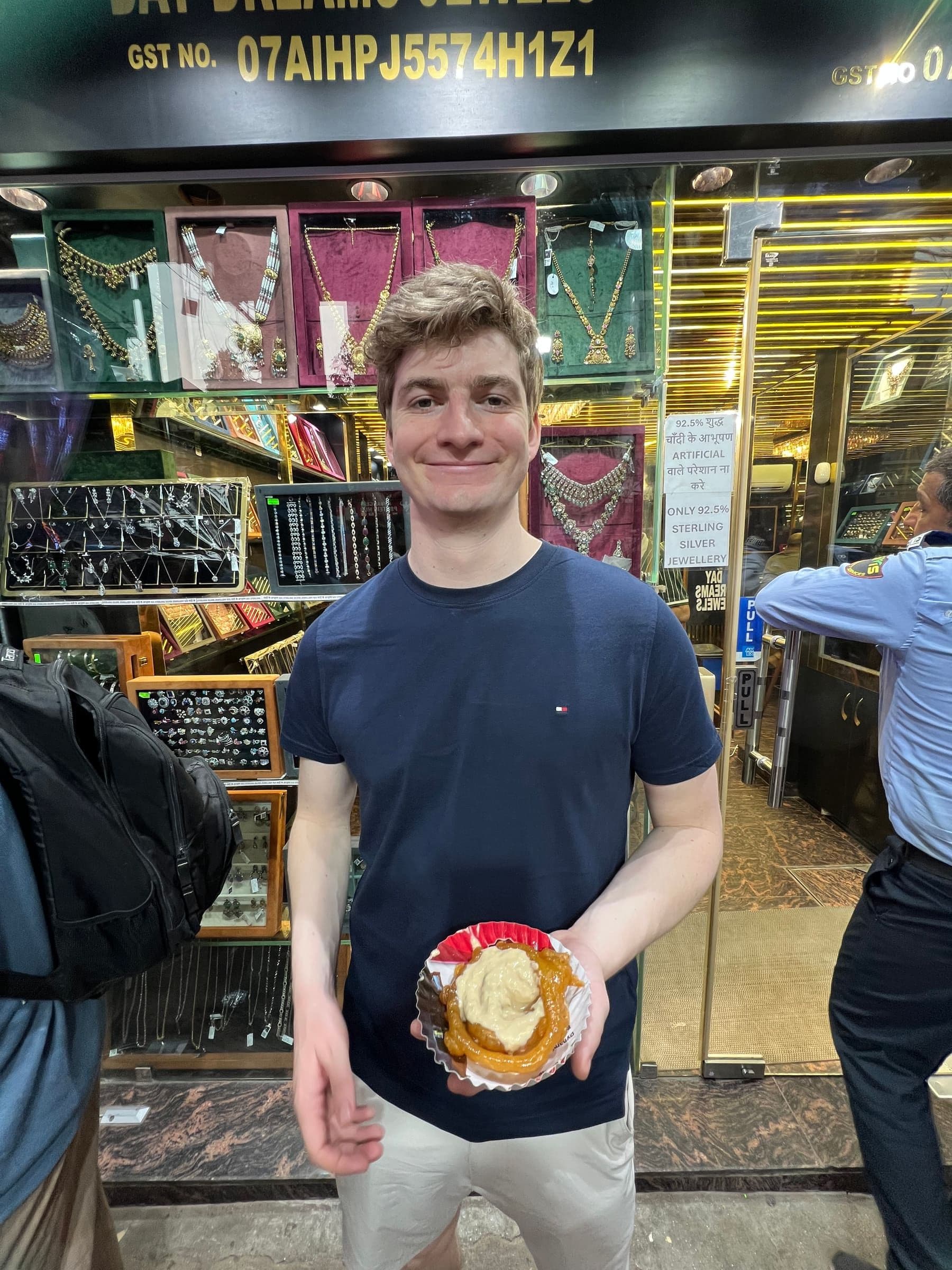
Old Delhi's food is reason enough on its own to visit. The essentials: stuffed paranthas at Paranthe Wali Gali, jalebi at Old Famous Jalebi Wala, Mughlai kebabs at Karim's near Jama Masjid, chole bhature, rabri faluda at Giani's Di Hatti, lassi, and — if you're visiting between November and February — the seasonal, frothy milk dessert Daulat Ki Chaat. For the full breakdown — exact shop names, prices, history, and insider timing for each dish — see our complete Chandni Chowk food guide.
The single easiest way to eat well in Old Delhi on a first visit is with someone who already knows which stall's batch just came out of the oil. Explore our guided food tour.
One-Day Old Delhi Itinerary (8 AM – 8 PM)
This is the itinerary structure we've refined over ten years of running full-day experiences — timed so you're never fighting the worst of the heat or the crowds.
- 8:00 AM — Start at Chawri Bazar Metro Station, Gate No. 3. Mornings are cooler and quieter, the best time to begin.
- 8:15 AM — Breakfast at Paranthe Wali Gali: a stuffed parantha with chutneys and pickle.
- 9:30 AM — Walk to Fatehpuri Masjid, a quieter mosque worth a short visit before the day gets busier.
- 10:00 AM — Explore Khari Baoli, Asia's largest spice market, at the western end of Chandni Chowk.
- 11:00 AM — Head back through Chandni Chowk toward Dariba Kalan for jalebi at Old Famous Jalebi Wala.
- 12:00 PM — Visit the Red Fort (Lal Qila); budget 90 minutes minimum to see it properly.
- 1:30 PM — Lunch: chole bhature or a Mughlai meal, depending on which side of Old Delhi you're closest to.
- 3:00 PM — Walk to Jama Masjid; climb the minaret if open for a rooftop view over Old Delhi.
- 4:00 PM — Explore Meena Bazaar and the lanes around Jama Masjid, including Gali Kababian.
- 5:00 PM — Kebabs at Karim's, near Jama Masjid's Gate No. 1.
- 6:00 PM — Shopping stop in Kinari Bazaar or Dariba Kalan, depending on interest (wedding accessories vs. jewellery).
- 7:00 PM — Dessert: rabri faluda at Giani's Di Hatti near Fatehpuri Masjid.
- 7:45 PM — Sunset views and evening atmosphere back along the main Chandni Chowk road, now lit up and at its most photogenic.
- 8:00 PM — End the day back near Chandni Chowk or Chawri Bazar Metro Station for an easy return journey.
This itinerary covers roughly 4–5km of walking across the day. If that's more than you want to manage solo on a first visit, our guided tour covers the food-focused core of this route in about 3.5 hours.
Shopping in Old Delhi
Old Delhi's markets are genuinely specialized by trade, which makes shopping here more interesting than a typical tourist bazaar:
- Chandni Chowk — the general commercial spine, with everything from electronics to textiles alongside its famous food.
- Dariba Kalan — silver and gold jewellery, trading here since the Mughal era.
- Kinari Bazaar — wedding accessories, trims, and embellishments; genuinely dazzling to walk through even if you're not buying.
- Khari Baoli — wholesale spices, dried fruits, and herbs, best for bringing home genuinely fresh Indian spices.
- Nai Sarak — Old Delhi's stationery and book wholesale market, less visited by tourists but interesting to walk through.
- Bargaining is expected at most stalls (though not at fixed-price food stalls) — start at roughly 40–50% of the initial asking price and negotiate from there.
- Keep small denominations of cash handy; many stalls and small shops don't accept cards.
- If a price feels too good to be true for jewellery or textiles specifically, it likely is — buy from shops with visible signage and a fixed location, not roaming vendors.
Common Mistakes Tourists Make in Old Delhi
- Visiting during peak summer midday heat (1–4pm, April–June) instead of early morning or evening.
- Wearing sandals or unbroken-in shoes for what turns into several kilometres of uneven walking.
- Not carrying enough small-denomination cash — most street food stalls and small shops don't take cards.
- Taking a car or taxi all the way in instead of the metro, then getting stuck in Old Delhi's genuinely severe traffic.
- Eating only at the first, most visible stalls near major attractions — these are frequently the most tourist-priced and least representative.
- Not confirming a rickshaw or taxi price before the ride starts.
- Skipping breakfast and arriving hungry with no plan — by the time you've found your bearings, you've missed the best morning food windows.
- Trying to see Old Delhi and New Delhi's major sites in the same rushed day — Old Delhi alone deserves a full day.
- Wandering into empty side lanes after dark instead of sticking to well-lit main roads.
- Ignoring dress code requirements at Jama Masjid or the gurudwara and being turned away or having to rent a robe on the spot.
- Following unsolicited 'guides' who approach near major monuments rather than booking a vetted guide in advance.
- Not asking vendors what they'd recommend that day — the freshest dish is rarely the same one every single day.
- Assuming all street food is uniformly risky and avoiding it entirely, missing the best part of Old Delhi as a result.
- Overpacking the itinerary — trying to see every attraction on this list in one day without any buffer time leads to rushed, exhausted sightseeing.
- Not carrying tissues or hand sanitizer — genuinely useful in a busy street food environment.
- Photographing people, especially vendors and worshippers, without asking first.
- Underestimating how disorienting the lanes are — Old Delhi's layout doesn't follow a grid, and phone GPS can struggle in the dense lanes.
- Not checking Jama Masjid's prayer-time closures before planning your visit around it.
Why a Guided Old Delhi Tour Is Worth It
Everything in this guide is genuinely usable independently — we've written it to work as a real, standalone resource. But there's a reason we've been able to run this as a business since 2014: a good local guide adds things a guide (even this one) can't fully replace.
- Hidden gems — the shops and stalls with no signage, no online listing, and no way to find them except by knowing someone who eats there regularly.
- Local stories — the history and context behind a dish or building, delivered in real time rather than read off a guide beforehand.
- Food safety judgment — knowing which stall's turnover is high enough to trust that day, built from daily familiarity rather than a single visit.
- Time savings — a route sequenced to avoid backtracking and timed to when each specific place is at its best.
- Avoiding scams — knowing exactly which 'guides' and shops to route around near the major monuments.
- Cultural context — the kind of nuance (why a mosque requires certain dress, why a market lane specializes in one trade) that turns sightseeing into genuine understanding.
If you'd rather experience Old Delhi with someone who's walked these lanes daily for over a decade, join our Old Delhi Food Tour.
Final Word: Planning Your Old Delhi Visit
Old Delhi rewards a full, unhurried day more than almost anywhere else in India — this Old Delhi travel guide should give you everything you need whether you explore independently using the itinerary above or join a guided walk to go deeper into the hidden gems a first visit usually misses. Start at Chawri Bazar, wear shoes you trust, carry cash, and don't be afraid to ask a vendor or a local what they'd recommend — that single habit has led us to nearly everything worth knowing in this guide.